
Explore Indonesia
Discover vibrant cities, tropical islands, beautiful beaches, incredible food, and diverse cultures across Indonesia.
DISCOVER INDONESIA
Indonesia is one of Southeast Asia’s most diverse countries, made up of thousands of islands with different landscapes, cultures, traditions, and experiences. From the busy streets and modern city life of Jakarta to the beaches, temples, rice fields, and tropical scenery of Bali, there is an incredible variety to explore. Here you’ll find my experiences, practical travel tips, and everything you need to start planning your own trip to Indonesia.
PLACES I’VE VISITED IN INDONESIA
Explore the places I’ve visited in Indonesia, from the energy of Jakarta to the beaches, temples, and tropical landscapes of Bali.
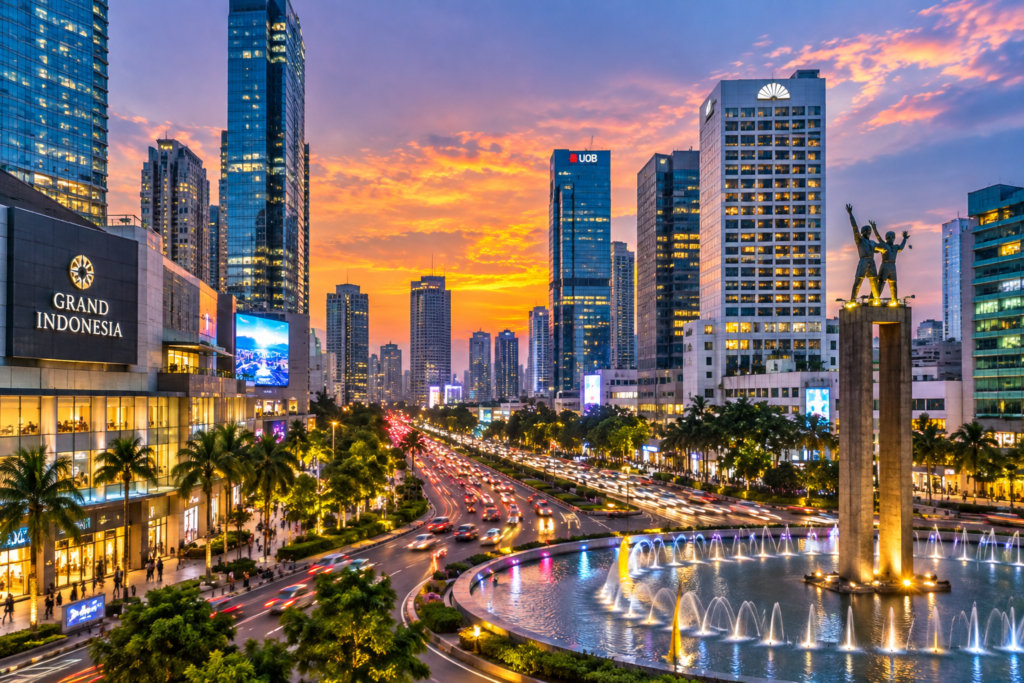
Jakarta
Indonesia’s huge and energetic capital, with modern skyscrapers, shopping centres, local markets, street food, historic neighbourhoods, and nonstop city life.
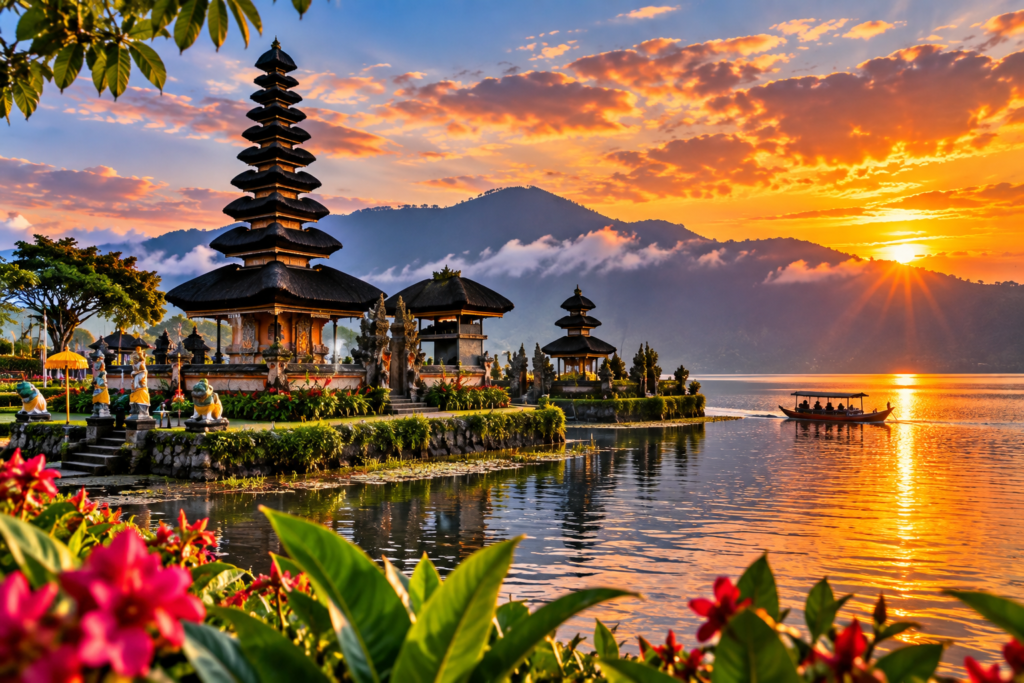
Bali
Indonesia’s most famous island, known for its beautiful beaches, temples, rice terraces, tropical landscapes, local culture, and lively tourist areas.
INDONESIA TRAVEL GUIDE
Everything you need to know to plan your trip to Indonesia, from the best time to visit and travel costs to transport, accommodation, food, and practical tips.
Best Time to Visit Indonesia
Indonesia can be visited throughout the year, but the weather varies depending on the island and region. In popular destinations such as Bali and Jakarta, the year is generally divided into a drier season and a wetter season.
The dry season, roughly from May to September, is usually one of the most popular times to visit. You can expect more sunshine and less rainfall, making this a good period for beaches, sightseeing, outdoor activities, and exploring Bali.
The wet season generally runs from around October to April. Rainfall is more frequent during this period, although it does not necessarily rain all day. Heavy tropical showers can be followed by sunshine, and travelling during the wetter months can mean fewer tourists and sometimes lower accommodation prices.
Indonesia is a huge country, so weather patterns are not identical everywhere. If you’re visiting several islands, check the conditions for each destination before travelling.
How Much Does Indonesia Cost?
Indonesia can be very affordable for solo and budget travellers, although prices vary considerably between destinations. Jakarta can be relatively inexpensive for local food and transport, while popular areas of Bali can be noticeably more expensive.
For a tight budget, around US$25–40 per person per day may be possible if you stay in hostels or inexpensive guesthouses, eat mostly local food, and use affordable transport.
For a more comfortable budget trip, around US$50–90 per person per day gives you more flexibility for private accommodation, restaurants, ride-hailing services, attractions, and activities.
Bali has everything from inexpensive local accommodation to luxury resorts, so your spending can vary enormously depending on where you stay and what you do.
Getting to Indonesia
Indonesia has several major international airports connecting the country with destinations across Asia, the Middle East, Australia, and other parts of the world.
For Jakarta, the main international gateway is Soekarno–Hatta International Airport. For Bali, most international travellers arrive at I Gusti Ngurah Rai International Airport, also commonly known as Denpasar or Bali Airport.
Because Indonesia consists of thousands of islands, flying is often the easiest way to enter the country and travel between distant regions.
If you’re travelling around Southeast Asia, direct flights to Jakarta and Bali are available from many major regional cities, making Indonesia relatively easy to include as part of a longer Southeast Asian trip.
Getting Around Indonesia
Getting around Indonesia requires a little more planning than travelling within a single mainland country because Indonesia is spread across thousands of islands.
For long distances between major islands, domestic flights are often the fastest and most practical option. Ferries also connect many islands and can be considerably cheaper, although journeys may take much longer.
In Jakarta, ride-hailing apps, taxis, buses, and the city’s growing rail and metro networks provide several ways to get around. Traffic congestion can be severe, so allow extra time when travelling across the city.
In Bali, taxis and ride-hailing services are widely used in many areas. Scooters are also extremely popular, but traffic can be challenging and accidents involving inexperienced riders are a real risk. Only ride if you’re properly licensed, insured, and confident in local traffic conditions.
Where to Stay in Indonesia
Indonesia offers accommodation for almost every budget, from inexpensive hostels and guesthouses to boutique hotels, villas, and luxury resorts.
In Jakarta, choosing accommodation near the areas you plan to explore can save a significant amount of travel time because of the city’s size and traffic.
In Bali, where you stay can completely change your experience. Areas such as Kuta, Seminyak, Canggu, Ubud, Sanur, and Nusa Dua all offer very different atmospheres.
Beach areas are ideal if you want easy access to the coast, while Ubud is better known for its rice fields, temples, culture, and greener inland surroundings.
Always check recent reviews and the exact location before booking, particularly in Bali, where two properties that appear close on a map can sometimes take much longer to travel between because of traffic.
Food in Indonesia
Indonesian food is diverse, affordable, and one of the highlights of travelling around the country.
One of the most famous dishes is nasi goreng, Indonesian-style fried rice that can be found almost everywhere. Mie goreng, a fried noodle dish, is another popular and inexpensive option.
Other foods worth trying include satay, grilled meat served on skewers; gado-gado, vegetables served with peanut sauce; and the many regional rice, noodle, chicken, seafood, and vegetable dishes available throughout the country.
Small local restaurants known as warungs can be excellent places to try inexpensive Indonesian food. As with street food anywhere, choose busy places where food appears fresh and there is a good turnover of customers.
Money and Payments in Indonesia
Indonesia’s official currency is the Indonesian rupiah (IDR).
Cash remains useful, particularly at smaller restaurants, markets, local shops, and businesses outside major tourist areas. Cards are widely accepted at many hotels, shopping centres, restaurants, and larger businesses, especially in Jakarta and popular parts of Bali.
ATMs are widely available in major cities and tourist destinations. However, withdrawal limits and fees can vary, and your own bank may also charge for international withdrawals.
When using an ATM, choose machines attached to or located inside reputable banks, shopping centres, or other established businesses where possible.
Staying Connected in Indonesia
Mobile internet is widely available in Indonesia, and purchasing a local SIM card can be an affordable way to stay connected during your trip.
Having mobile data is particularly useful for maps, translation, booking accommodation, arranging transport, and using ride-hailing apps.
Coverage is generally good in Jakarta, Bali, and other major tourist destinations, although it can become less reliable in remote areas and on smaller islands.
If your phone supports one, an eSIM can also be a convenient option. Wi-Fi is widely available at hotels, cafés, restaurants, and many tourist-oriented businesses.
Is Indonesia Safe for Solo Travellers?
Indonesia is a popular destination for solo travellers, and most visitors experience the country without serious problems. Normal travel precautions are still important.
Keep your phone, wallet, passport, camera, and other valuables secure, particularly in crowded areas, markets, transport hubs, and nightlife districts.
Traffic can be one of the bigger safety concerns, especially in busy parts of Jakarta and Bali. Take extra care when crossing roads and avoid renting a scooter unless you have the correct licence, appropriate insurance, and enough experience.
Indonesia also experiences natural hazards including earthquakes, volcanic activity, flooding, and occasionally tsunamis. Pay attention to local warnings and official advice, particularly if travelling near active volcanoes or during periods of severe weather.
Indonesia Visa and Entry Requirements
Indonesia’s visa and entry requirements depend on your nationality, passport, length of stay, and purpose of travel.
Depending on your nationality, you may be eligible for a Visa on Arrival or electronic Visa on Arrival (e-VOA), while other travellers may need to arrange a visa before travelling.
Entry rules can change, so check the latest official Indonesian immigration requirements for your passport before booking your trip.
Make sure your passport meets the required validity rules and check whether you need evidence of onward or return travel.
Bali may also have local requirements or visitor charges separate from Indonesia’s immigration rules, so check the current requirements before travelling to the island.
What to Wear in Indonesia
Indonesia has a tropical climate, so lightweight and breathable clothing is useful for most trips.
For beaches and resorts, casual summer clothing is generally appropriate. However, Indonesia is culturally diverse, and dressing more conservatively is recommended when visiting temples, mosques, religious sites, and local communities.
In Bali, some temples require visitors to wear a sarong or sash, which may sometimes be available at the entrance.
Comfortable walking shoes, sunscreen, insect repellent, a hat, and a lightweight rain jacket are all useful things to pack.
How Long Do You Need in Indonesia?
How long you need depends heavily on how many islands you want to visit. Indonesia is enormous, and trying to cover too much in one trip can mean spending a large amount of time travelling.
If you’re focusing on Jakarta and Bali, around 7–10 days can work for a first trip, although 10–14 days will give you more time to explore without rushing.
If you’re planning to visit several islands, consider allowing two to three weeks or longer. Flights and ferry journeys can take up a significant part of your itinerary, so build travel days into your plans.
Indonesia is a destination that rewards slower travel. Rather than trying to see as many islands as possible, choosing a smaller number of destinations can often give you a much better experience.
Final Tips for Visiting Indonesia
Indonesia’s enormous size and diversity are part of what makes it such an interesting country to explore. Jakarta and Bali alone offer two completely different experiences, from the energy of a huge capital city to tropical beaches, temples, and island life.
Don’t underestimate travel times, particularly when dealing with traffic or moving between islands. Leave some flexibility in your itinerary and avoid planning important connections too closely together.
Try local food, carry some cash, stay connected with mobile data, respect local customs and religious sites, and take time to explore beyond the most popular tourist areas.
Most importantly, don’t try to experience all of Indonesia in one trip. There is far too much to see, and travelling more slowly gives you a better opportunity to experience the culture, food, landscapes, and everyday life of each place.
READY TO EXPLORE INDONESIA?
Start planning your Indonesia adventure and discover my travel experiences, practical tips, and guides from across the country.
GET TRAVEL INSPIRATION IN YOUR INBOX
Get practical travel tips, destination inspiration, and new guides delivered straight to your inbox.