
Explore Tunisia
Discover historic medinas, Mediterranean beaches, colourful souks, delicious food, and unforgettable experiences across Tunisia.
DISCOVER TUNISIA
Tunisia is a fascinating country where North African culture, ancient history, and Mediterranean life come together. From the busy streets and historic medina of Tunis to the beaches of Hammamet and the lively atmosphere of Sousse, each place offers something different. Here you’ll find my experiences, practical travel tips, and everything you need to plan your own trip to Tunisia.
PLACES I’VE VISITED IN TUNISIA
Explore some of the places I’ve visited across Tunisia, each offering a different side of the country.
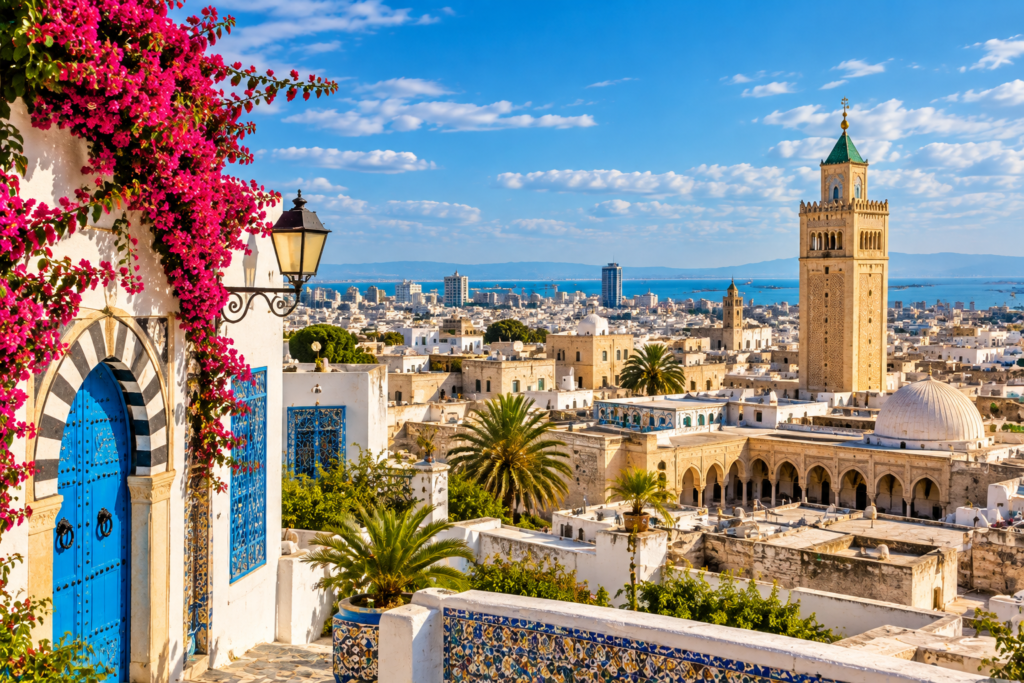
Tunis
Historic medina, colourful markets, local food and vibrant city life.
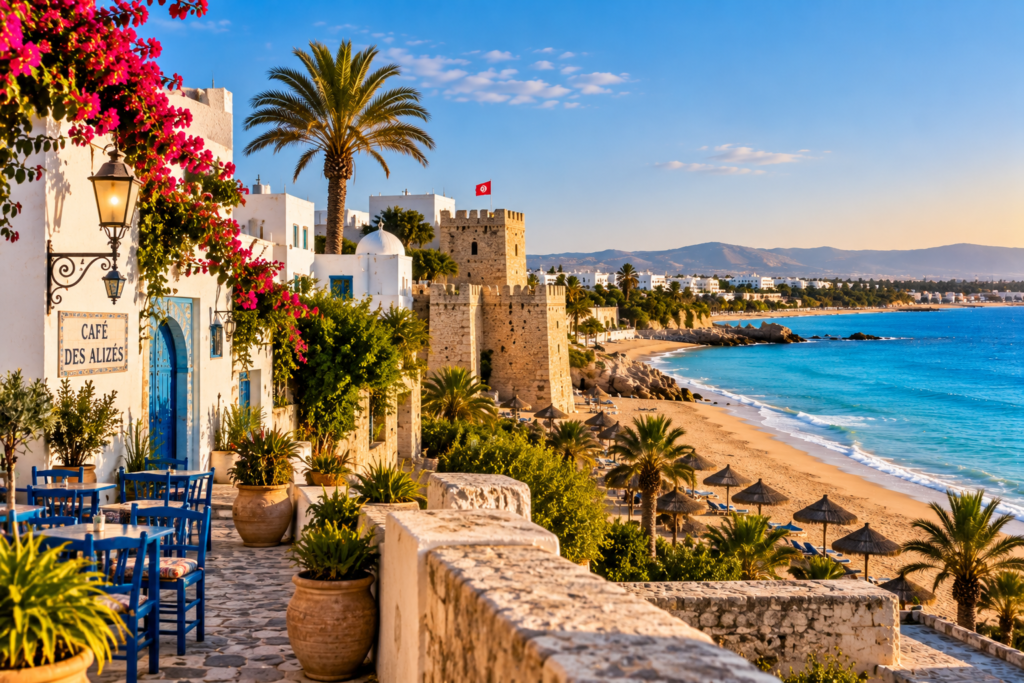
Hammamet
Mediterranean beaches, a beautiful old medina and relaxed coastal atmosphere.
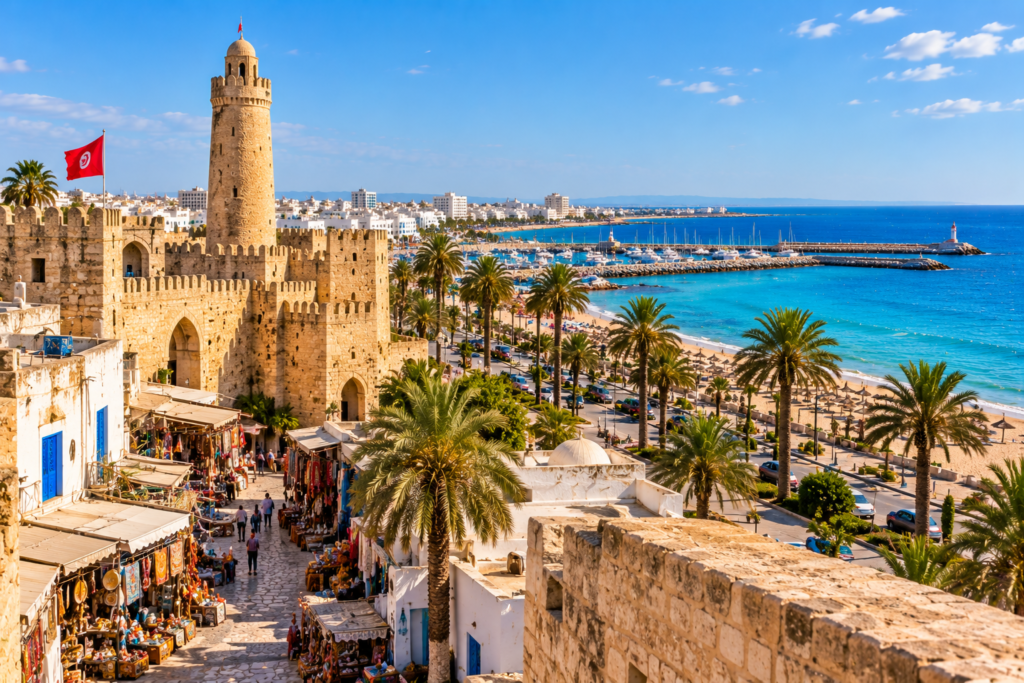
Sousse
Historic old town, traditional souks, seaside promenade and resort beaches.
TUNISIA TRAVEL GUIDE
Practical information and travel tips to help you plan your trip to Tunisia.
BEST TIME TO VISIT TUNISIA
Tunisia can be visited throughout the year, but spring (March to May) and autumn (September to November) are particularly good times for exploring the country. Temperatures are generally more comfortable for walking around medinas, visiting historical sites and exploring cities.
Summer, especially July and August, can be very hot. However, it’s also a popular time for beach holidays in coastal destinations such as Hammamet and Sousse.
Winter is cooler and generally quieter. You may experience some rain, particularly in northern Tunisia, and evenings can feel chilly.
For a trip combining Tunis, Hammamet and Sousse, I would choose April–May or September–October for a good balance between sightseeing and enjoying the coast.
How Much Does Tunisia Cost?
Tunisia can be a relatively affordable destination, particularly if you use local transport, eat at local restaurants and stay outside luxury resorts.
Budget travellers can find inexpensive local meals, cafés and public transport, while accommodation ranges from simple guesthouses and budget hotels to large beachfront resorts.
As a rough guide, a budget traveller could plan around £30–£50 per day, excluding international flights, while a more comfortable trip with better hotels, restaurants and more taxis could cost around £50–£100+ per day.
Prices vary considerably depending on the destination, season and your travel style, so treat these figures as a starting point rather than a fixed budget.
Getting to Tunisia
The easiest way for most international travellers to reach Tunisia is by air. Tunis-Carthage International Airport is the main airport for Tunis and northern Tunisia.
There are also airports serving popular holiday areas, including Enfidha-Hammamet International Airport and Monastir Habib Bourguiba International Airport.
From Europe, there are direct and connecting flights from many cities, and flight availability changes depending on the season.
Tunisia can also be reached by ferry from parts of Europe, which can be useful for travellers making a longer Mediterranean journey.
Always check the latest entry and visa requirements for your nationality before booking your trip.
Getting Around Tunisia
Getting around Tunisia is relatively straightforward, and there are several options depending on your budget and route.
Trains connect a number of major cities and can be useful for travelling between places such as Tunis and Sousse.
Louages are shared taxis that operate between cities and towns. They are widely used by locals and can be a useful and affordable way to travel, although they may feel less straightforward for first-time visitors.
Buses are another inexpensive option, while regular taxis are convenient for shorter journeys within cities.
If you want more independence, renting a car is also possible, particularly if you plan to explore smaller towns or areas that are harder to reach by public transport.
Where to Stay in Tunisia
Where you should stay depends on the type of trip you want.
Tunis is a good choice if you want city life, history, markets and easy access to attractions around the capital.
Hammamet is better suited to travellers looking for beaches, resorts and a more relaxed Mediterranean atmosphere.
Sousse offers a combination of historic sights, local city life and beaches, making it a good option if you want both culture and time by the sea.
Tunisia has accommodation for different budgets, from hostels and simple hotels to boutique properties and large all-inclusive resorts.
When booking, check the exact location rather than choosing purely by price, especially if you want to explore on foot.
Food in Tunisia
Food is one of the best parts of travelling around Tunisia. Tunisian cuisine combines North African and Mediterranean flavours and often uses spices, olive oil, seafood and harissa, the country’s famous chilli paste.
One dish to try is brik, a thin crispy pastry commonly filled with egg, tuna and other ingredients.
You’ll also find different varieties of couscous, grilled meat, seafood, salads and traditional stews.
Street food and small local restaurants can be inexpensive and are a great way to experience everyday Tunisian food.
Don’t forget to try Tunisian pastries and traditional mint tea while exploring the cafés and medinas.
Internet, SIM Cards & Money
Wi-Fi is available in many hotels, cafés and restaurants, particularly in tourist areas, but having mobile data makes travelling much easier for maps, transport and communication.
Local prepaid SIM cards are available from Tunisian mobile operators. Packages and prices change, so compare the available data plans when you arrive.
Tunisia uses the Tunisian dinar (TND).
Cards are accepted at many hotels, larger restaurants and businesses, but cash remains useful for markets, small cafés, taxis and local shops.
ATMs are widely available in larger cities and tourist areas. It’s a good idea to carry some cash rather than relying entirely on cards.
Safety & Practical Tips
Most trips to Tunisia are trouble-free, but travellers should take normal precautions and check current official travel advice before travelling, as advice for some parts of Tunisia can differ from the main tourist areas.
Keep an eye on your belongings in crowded markets, medinas and busy public areas, and avoid carrying large amounts of cash.
Agree on taxi fares or make sure the meter is being used where appropriate.
Tunisia is a predominantly Muslim country, so dressing respectfully is recommended, particularly when visiting mosques, religious sites and more traditional areas.
French and Arabic are widely spoken. English is used in many tourist areas, but learning a few basic Arabic or French words can make travelling easier.
What to Pack for Tunisia
What you pack will depend heavily on the season.
For warmer months, bring lightweight and breathable clothing, comfortable walking shoes, sunglasses, sunscreen and a hat.
It’s also useful to carry clothing that covers your shoulders and knees when visiting religious sites or more conservative areas.
If you’re travelling outside summer, bring a light jacket or extra layer for cooler evenings.
A small day bag, reusable water bottle, portable charger and travel adapter are also useful when spending long days exploring.
If you plan to spend time at the beach in Hammamet or Sousse, remember your swimwear and beach essentials.
How Long to Spend in Tunisia
For a first trip covering Tunis, Hammamet and Sousse, around 7–10 days gives you enough time to experience each destination without rushing.
You could spend around 3 days in Tunis, including time to explore the medina and nearby attractions, followed by 2–3 days in Hammamet and another 2–3 days in Sousse.
If you have two weeks or longer, you can travel more slowly and add other destinations, archaeological sites or southern Tunisia to your itinerary.
Tunisia may look relatively small on the map, but giving yourself extra time makes it easier to experience more than just the main tourist attractions.
My Tunisia Travel Tips
Don’t experience Tunisia only from inside a resort. The beaches are beautiful, but exploring the medinas, local markets, cafés and everyday neighbourhoods gives you a much better sense of the country.
Carry some cash for smaller purchases, especially when exploring traditional markets, and don’t be afraid to try local restaurants away from the main tourist areas.
Take your time in the medinas. Getting slightly lost among the narrow streets, small shops and cafés is part of the experience.
If you’re visiting several cities, compare trains, buses and louages rather than automatically taking taxis everywhere. It can save money and give you a more local travel experience.
Most importantly, give yourself time to experience each destination rather than trying to see the whole country in just a few days.
FINAL THOUGHTS ON TUNISIA
Tunisia is a destination that offers much more than just beautiful beaches. From exploring the historic streets and markets of Tunis to enjoying the Mediterranean atmosphere of Hammamet and Sousse, each place gives you a different experience of the country.
Whether you’re interested in history, local culture, food or simply relaxing by the coast, Tunisia has plenty to discover. I really enjoyed experiencing these different sides of the country, and I hope this guide helps you plan your own trip.
Planning a trip to Tunisia?
Explore my Tunisia travel guides and stories below for more tips and experiences from my journey.