
Explore the United Kingdom
Discover iconic cities, historic landmarks, beautiful countryside, dramatic coastlines, diverse cultures, and centuries of history across the United Kingdom.
DISCOVER THE UNITED KINGDOM
The United Kingdom offers an incredible variety of experiences within a relatively small area, from historic cities and world-famous landmarks to countryside, coastal towns, castles, national parks, and traditional villages.
London is the country’s biggest city and the place I call home. It’s one of the most diverse cities in the world, combining famous landmarks, historic neighbourhoods, museums, markets, parks, restaurants, and cultures from around the globe. But there is much more to the UK beyond the capital.
From the seaside atmosphere of Brighton and the energy of Manchester to the historic university streets of Cambridge, different parts of the country have their own character. Travel further and you’ll discover mountains, lakes, rugged coastlines, medieval towns, and countryside across England, Scotland, Wales, and Northern Ireland.
Here you’ll find my experiences, practical travel tips, and useful information to help you plan your own trip around the United Kingdom.
PLACES I’VE VISITED IN THE UNITED KINGDOM
Explore the places I’ve experienced across the UK, from everyday life in London to the seaside atmosphere of Brighton, the energy of Manchester, and the historic streets of Cambridge.
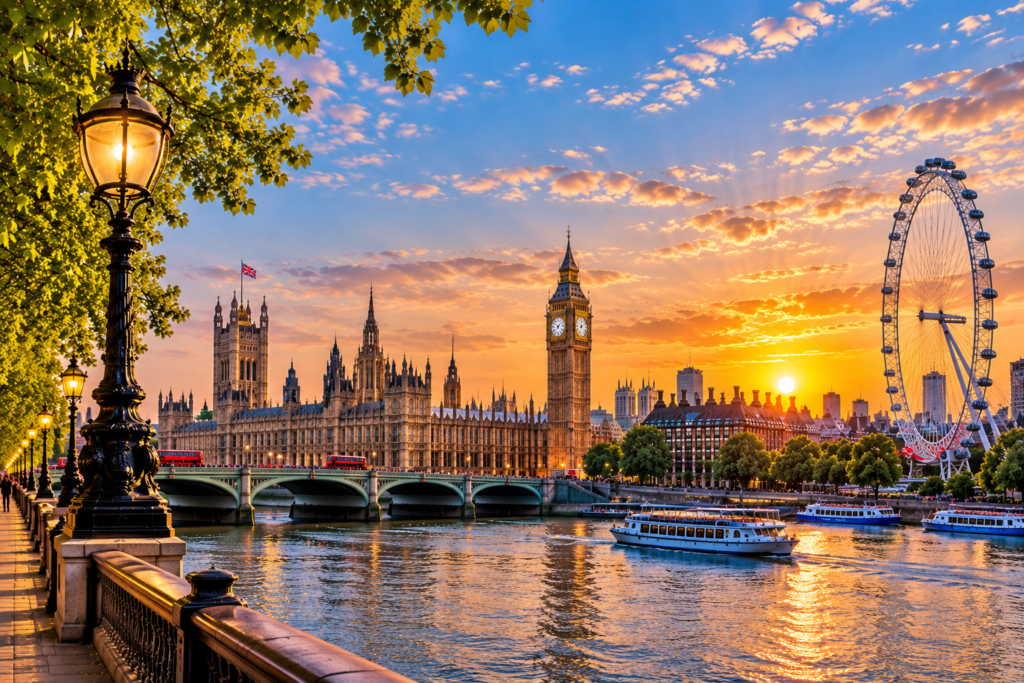
London
The UK’s vibrant capital and the city I call home, filled with iconic landmarks, diverse neighbourhoods, incredible food, markets, museums, parks, and endless things to discover.
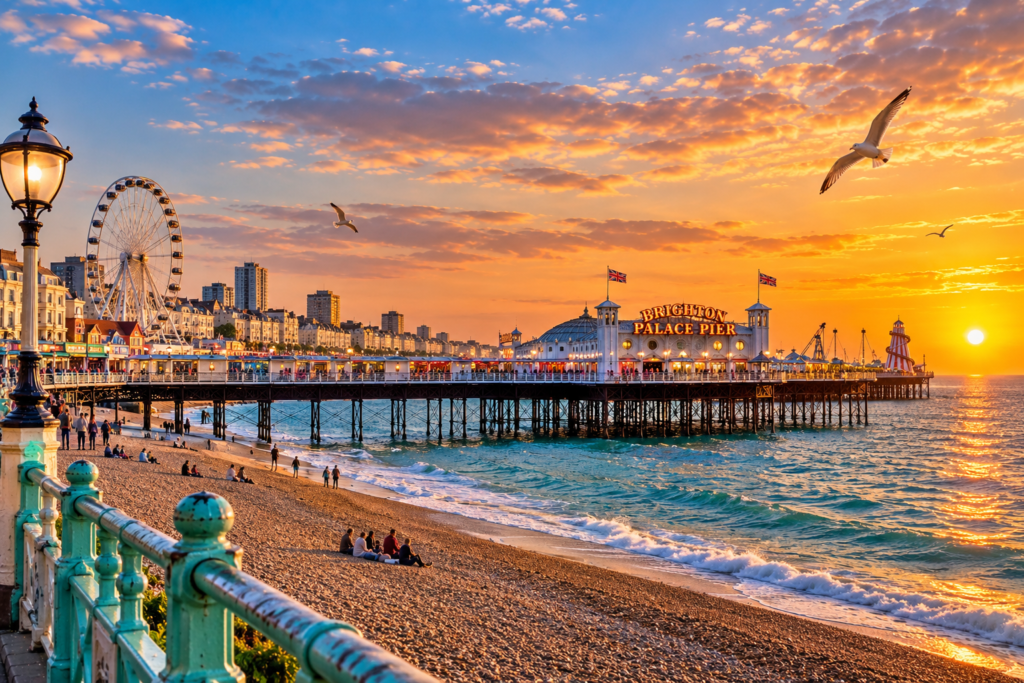
Brighton
A lively seaside city known for its famous pier, pebble beach, colourful streets, independent shops, and relaxed coastal atmosphere.
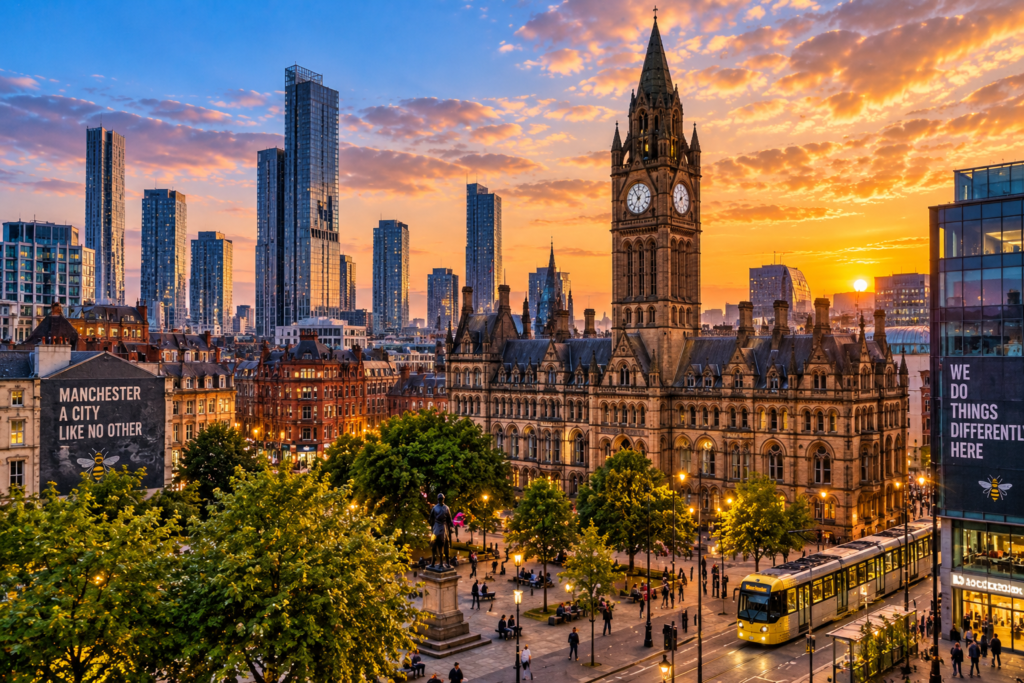
Manchester
A vibrant northern city known for its industrial heritage, football culture, music, impressive architecture, shopping, and energetic city centre.
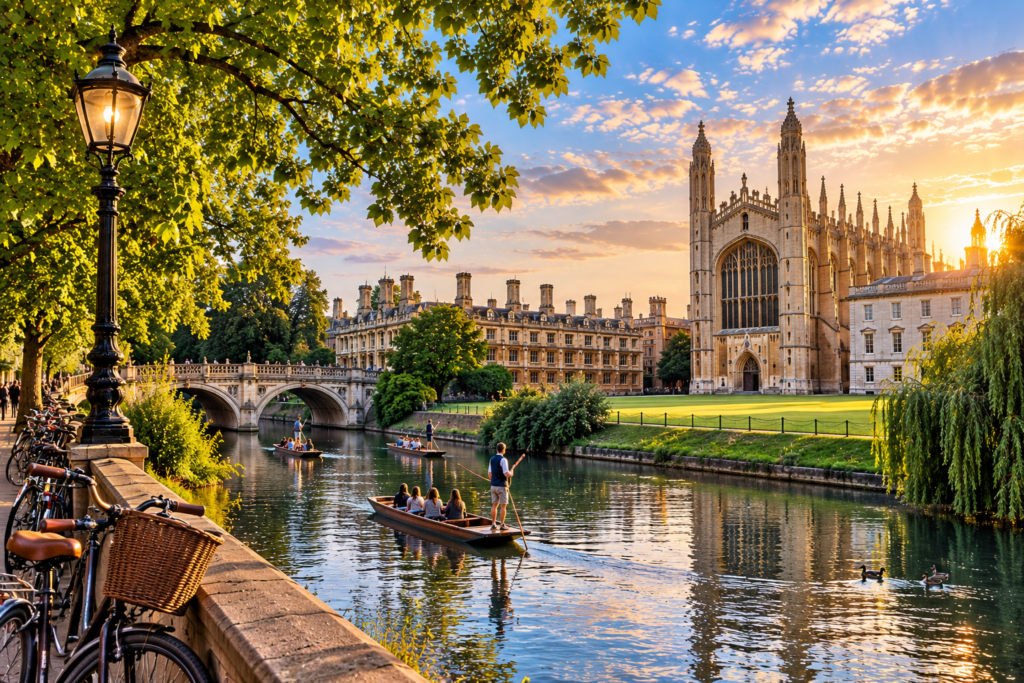
Cambridge
A beautiful historic city famous for its world-renowned university, magnificent colleges, traditional architecture, riverside walks, and punting on the River Cam.
UNITED KINGDOM TRAVEL GUIDE
Everything you need to know to plan your trip to the UK, from the best time to visit and travel costs to transport, accommodation, food, and practical tips
BEST TIME TO VISIT THE UNITED KINGDOM
The UK can be visited throughout the year, but the experience changes considerably with the seasons.
May to September generally offers longer daylight hours and warmer temperatures, making this a great period for sightseeing, countryside trips, coastal destinations, and spending more time outdoors.
July and August are usually among the busiest months, particularly in London and other popular destinations. Accommodation can also be more expensive during school holidays.
Spring can be beautiful, with parks and gardens coming back to life, while September and early autumn can offer comfortable temperatures with fewer summer crowds.
Winter brings shorter days and colder weather, but cities such as London can be particularly atmospheric around Christmas.
British weather is famously unpredictable. Rain is possible throughout the year, so even during summer it’s sensible to carry a lightweight waterproof jacket or umbrella. VisitBritain similarly recommends preparing for changing conditions in every season.
HOW MUCH DOES THE UNITED KINGDOM COST?
The UK is not one of Europe’s cheapest destinations, and London in particular can be expensive, but there are plenty of ways to control your spending.
For a budget traveller, I would plan roughly £70–£120 per day, excluding international flights. Staying in hostels or inexpensive accommodation, using public transport, buying some food from supermarkets, and choosing free attractions can make a big difference.
For a more comfortable trip with a private hotel room, restaurants, intercity trains, and paid attractions, approximately £150–£300+ per day is more realistic, particularly in London.
One major advantage is that many excellent museums and galleries in the UK have free permanent collections. London alone has enough free museums, markets, parks, neighbourhoods, and landmarks to fill several days.
Train tickets can be expensive when purchased at the last minute, so booking longer journeys in advance can significantly reduce transportation costs. VisitBritain also recommends checking advance fares when travelling by rail.
GETTING TO THE UNITED KINGDOM
The UK is extremely well connected internationally.
London has several major airports, including Heathrow, Gatwick, Stansted, Luton, London City, and Southend, giving visitors a huge selection of international routes.
Other cities including Manchester, Edinburgh, Birmingham, Glasgow, and Bristol also have international airports.
If you’re travelling from mainland Europe, flying isn’t your only option. Eurostar connects London with continental Europe through the Channel Tunnel, making train travel particularly convenient when combining the UK with countries such as France, Belgium, and the Netherlands.
International coaches, ferries, and cross-Channel road connections provide additional options.
Always check which London airport you’re actually flying into. Some airports advertised as “London” are a considerable distance from central London, so factor airport transportation into both your budget and travel time.
GETTING AROUND THE UNITED KINGDOM
The UK has an extensive transportation network, and you don’t necessarily need a car to visit its major cities.
The national rail network has more than 2,500 stations across England, Scotland, and Wales, making trains one of the most convenient ways to travel between major destinations.
However, train fares can vary enormously. Booking in advance can often save money, particularly for longer journeys.
Coaches are usually slower but can be considerably cheaper, making them useful for budget travellers.
In London, the Underground, buses, Overground, Elizabeth line, trains, and other services make travelling around the city relatively straightforward. Contactless bank cards and mobile payments can be used across much of London’s transport network.
A car becomes more useful if you’re exploring countryside, villages, national parks, or remote coastal areas. Remember that vehicles drive on the left-hand side of the road in the UK.
WHERE TO STAY IN THE UNITED KINGDOM
Where you stay will depend heavily on your itinerary, but location is particularly important in London.
For first-time visitors to London, areas with good Underground connections can save a huge amount of travel time. You don’t necessarily need to stay directly beside Big Ben or Oxford Street to have a convenient location.
Areas around Paddington, Bayswater, South Kensington, King’s Cross, Waterloo, and other well-connected parts of central London can all work depending on your budget and plans.
Accommodation outside central London can be cheaper, but check the transport connection before booking. Saving £20 on a hotel isn’t necessarily worthwhile if you then spend much more time travelling every day.
Outside London, I also recommend staying within walking distance of the city centre or close to the main railway station when possible, particularly for shorter trips.
FOOD IN THE UNITED KINGDOM
British food is much more varied than the stereotypes suggest, particularly because the UK has been influenced by communities and cuisines from around the world.
Traditional foods worth trying include fish and chips, a full English breakfast, Sunday roast, shepherd’s pie, steak and ale pie, Cornish pasties, and afternoon tea.
London in particular has an enormous international food scene. You can find excellent Indian, Middle Eastern, Chinese, Japanese, Italian, Turkish, Caribbean, African, Persian, and countless other cuisines.
Markets are also worth exploring. Depending on your itinerary, places such as Borough Market and other local food markets can provide a completely different experience from traditional restaurants.
Pubs are another important part of British culture, and many serve traditional meals as well as drinks.
Don’t restrict yourself to tourist restaurants around the major landmarks. Exploring neighbourhoods away from the busiest tourist streets can often lead to better food and better value.
MONEY AND PAYMENTS IN THE UNITED KINGDOM
The UK’s currency is Pound Sterling (GBP or £).
Cards and contactless payments are extremely common. In London, it’s completely normal to pay for coffee, restaurants, supermarkets, public transport, and even very small purchases using a contactless bank card or phone.
Cash is used much less than it once was, and some businesses are completely cashless.
However, keeping a small amount of cash can still be useful, particularly when travelling outside major cities or visiting certain markets and small businesses.
ATMs — usually called cash machines or cash points — are widely available.
If you’re using an overseas bank card, check your bank’s foreign transaction fees before travelling.
STAYING CONNECTED IN THE UNITED KINGDOM
Staying connected in the UK is straightforward.
Wi-Fi is widely available in hotels, cafés, restaurants, airports, railway stations, shopping centres, and many other public places.
Visitors can purchase a local SIM card or use an eSIM if they want mobile data throughout their trip.
Mobile coverage is generally very good in cities and populated areas, although reception can become weaker in remote countryside, mountains, and some coastal areas.
Having mobile data is particularly useful for navigating public transport, checking live train information, using maps, booking attractions, and finding restaurants.
If you’re planning countryside walks or road trips through remote areas, downloading offline maps beforehand is a sensible backup.
IS THE UNITED KINGDOM SAFE FOR SOLO TRAVELLERS?
The UK is straightforward to travel around independently, but the normal precautions you would take in any major destination still apply.
In London and other busy cities, keep an eye on your phone, wallet, camera, and other valuables, particularly in crowded tourist areas and on public transport.
Be especially careful when using your phone beside roads or while walking through busy areas, and avoid leaving expensive equipment unattended.
Licensed taxis, public transport, and established ride-hailing services are widely available.
If you’re exploring countryside or hiking, the risks can be very different from those in cities. Check the weather, wear appropriate footwear, and don’t underestimate changing conditions in mountain or coastal environments.
The UK emergency number for police, ambulance, and fire services is 999.
UK VISA AND ENTRY REQUIREMENTS
Entry requirements depend on your nationality, so visitors should always check the latest official UK rules before travelling.
The UK now operates an Electronic Travel Authorisation (ETA) system for many nationalities that previously travelled visa-free. An ETA currently allows eligible visitors to travel to the UK for visits of up to six months and costs £20.
Many visitors from Europe, the United States, Canada, Australia, and other eligible countries normally need an ETA rather than a visitor visa. However, nationality and personal circumstances determine what permission is required.
British and Irish citizens do not need an ETA, and neither do people who already have permission to live, work, or study in the UK.
Because immigration rules can change, always check the official UK government website before travelling.
WHAT TO WEAR IN THE UNITED KINGDOM
The most important rule for packing for the UK is bring layers.
British weather can change quickly, and a sunny morning doesn’t necessarily mean it will stay dry for the rest of the day.
During summer, T-shirts and lightweight clothing can be comfortable during warmer days, but carry a light jacket or jumper for cooler evenings.
Spring and autumn require more layers and a waterproof jacket.
During winter, you’ll usually want a proper coat, warm layers, and waterproof footwear.
Comfortable shoes are essential because exploring cities such as London often involves much more walking than visitors expect.
VisitBritain recommends bringing something warm regardless of season and packing waterproof clothing because rain is possible throughout the year.
HOW LONG DO YOU NEED IN THE UNITED KINGDOM?
For London alone, I recommend at least 4–5 days for a first visit. Even then, you’ll only experience a small part of the city.
With 7 days in the UK, you could combine London with destinations such as Brighton or Cambridge without making the trip feel too rushed.
With 10–14 days, you have enough time to add cities farther from London and experience more of the country.
For a broader trip covering different parts of England, Scotland, and Wales, two to three weeks gives you much more flexibility.
The UK looks relatively small on a map, but don’t underestimate travel time. Trying to see London, Scotland, Wales, and several English cities in one week will mean spending too much of your trip moving between places.
FINAL TIPS FOR VISITING THE UNITED KINGDOM
If it’s your first trip, give London enough time. There is much more to the city than Big Ben, Buckingham Palace, Tower Bridge, and the other famous landmarks.
Explore different neighbourhoods, walk through the parks, visit local markets, use the buses as well as the Underground, and take advantage of London’s many free museums.
But don’t make London your entire experience of the UK. A short train journey can take you to completely different environments, from Brighton’s coastline to Cambridge’s historic streets, while longer journeys open up northern England, Scotland, Wales, and many smaller towns and countryside areas.
Book long-distance trains early when possible, carry a waterproof jacket regardless of the forecast, and don’t plan every hour of your trip — British weather occasionally has other ideas.
Having lived in London, one thing I’d particularly recommend is exploring beyond the famous central attractions. Many of the places that show everyday British life aren’t the ones you’ll see on a typical first-time tourist itinerary.
READY TO EXPLORE THE UNITED KINGDOM?
From the energy and diversity of London to historic cities, seaside towns, beautiful countryside, and dramatic landscapes, the United Kingdom has much more to discover. Start planning your trip and experience it for yourself.
GET TRAVEL INSPIRATION IN YOUR INBOX
Get practical travel tips, destination inspiration, and new guides delivered straight to your inbox.