
Explore Hong Kong
Discover spectacular skyline views, vibrant neighbourhoods, incredible food, colourful markets, traditional culture, and unforgettable experiences in Hong Kong.
DISCOVER HONG KONG
Hong Kong is one of Asia’s most exciting destinations, combining a spectacular modern skyline with traditional neighbourhoods, busy markets, historic temples, green mountains, islands, and incredible food.
From looking across Victoria Harbour and riding up to Victoria Peak to exploring the energetic streets of Mong Kok and Tsim Sha Tsui, Hong Kong offers something different around almost every corner. Beyond the skyscrapers, you’ll find hiking trails, beaches, fishing villages, monasteries, and quieter parts of the city that feel completely different from the busy centre.
Here you’ll find the best things to do, practical travel tips, costs, transport advice, and everything you need to start planning your own trip to Hong Kong.
TOP THINGS TO DO IN HONG KONG
Discover some of Hong Kong’s must-see viewpoints, landmarks, neighbourhoods, markets, and cultural attractions.
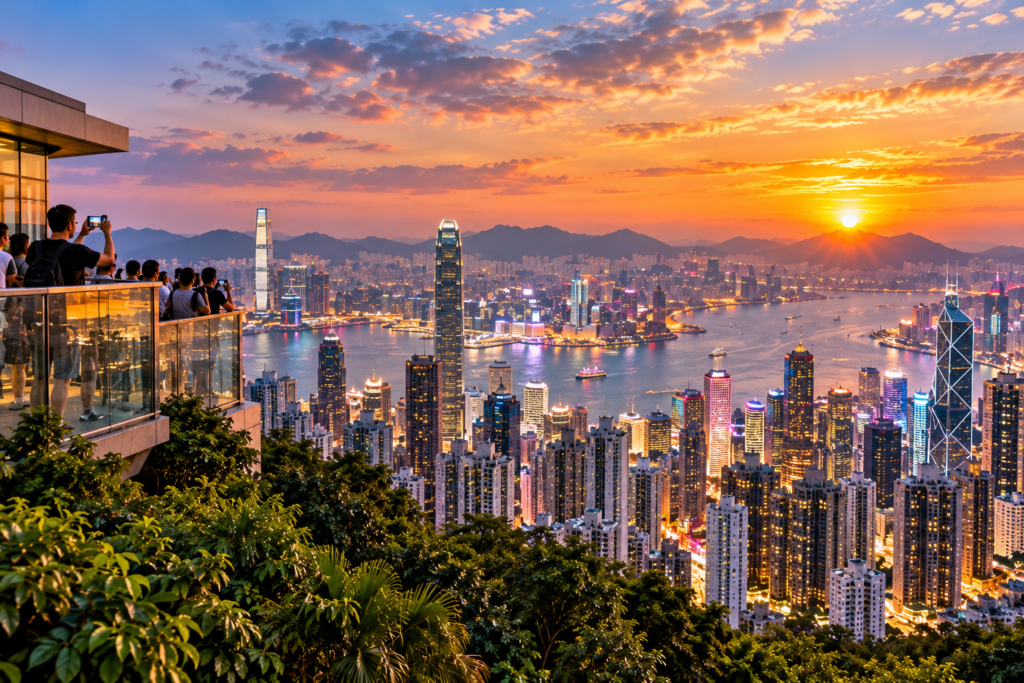
Victoria Peak
See one of Hong Kong’s most famous views from high above the city, with spectacular panoramas across the skyline, Victoria Harbour, and surrounding mountains.
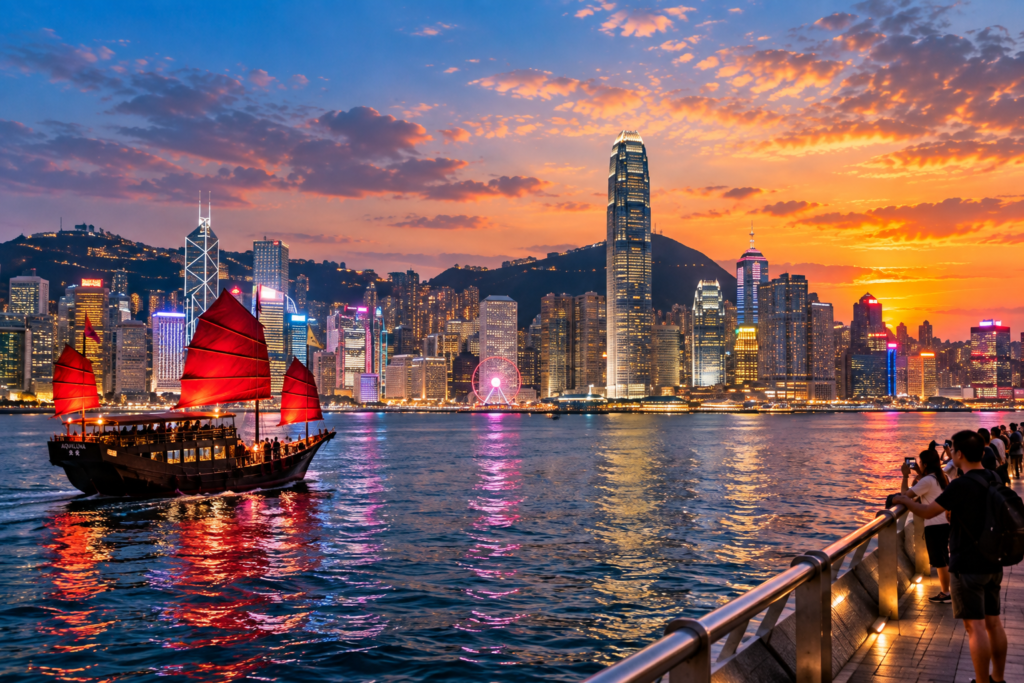
Victoria Harbour
Experience Hong Kong’s iconic waterfront, surrounded by skyscrapers, ferries, promenades, and some of the city’s most impressive views, especially after dark.
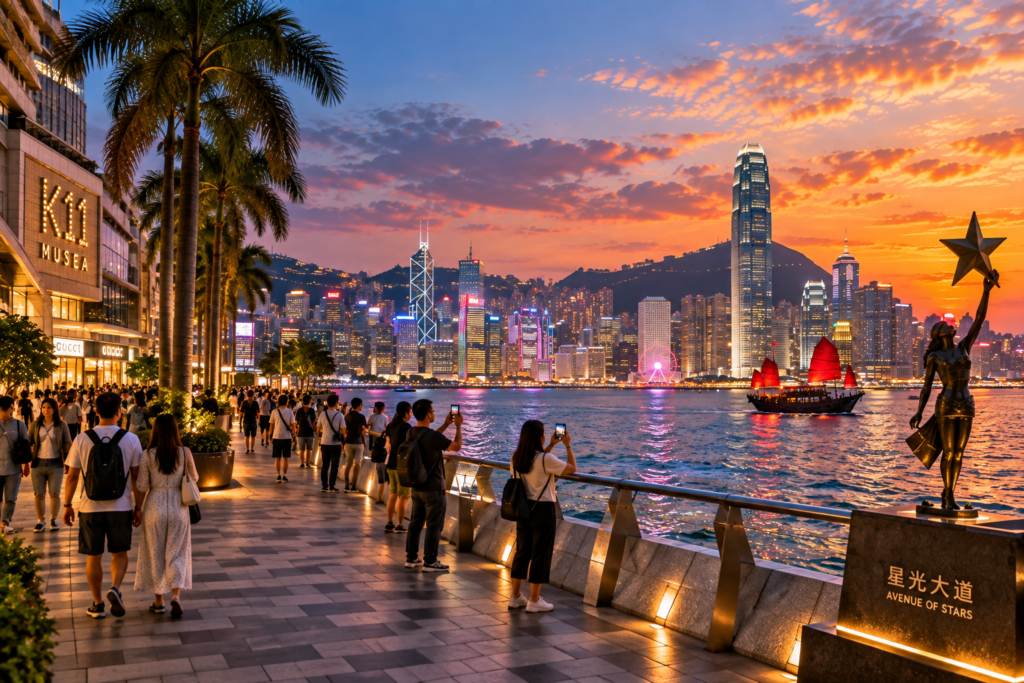
Tsim Sha Tsui
Explore one of Kowloon’s busiest districts, filled with shopping, restaurants, waterfront views, museums, busy streets, and easy access to Victoria Harbour.
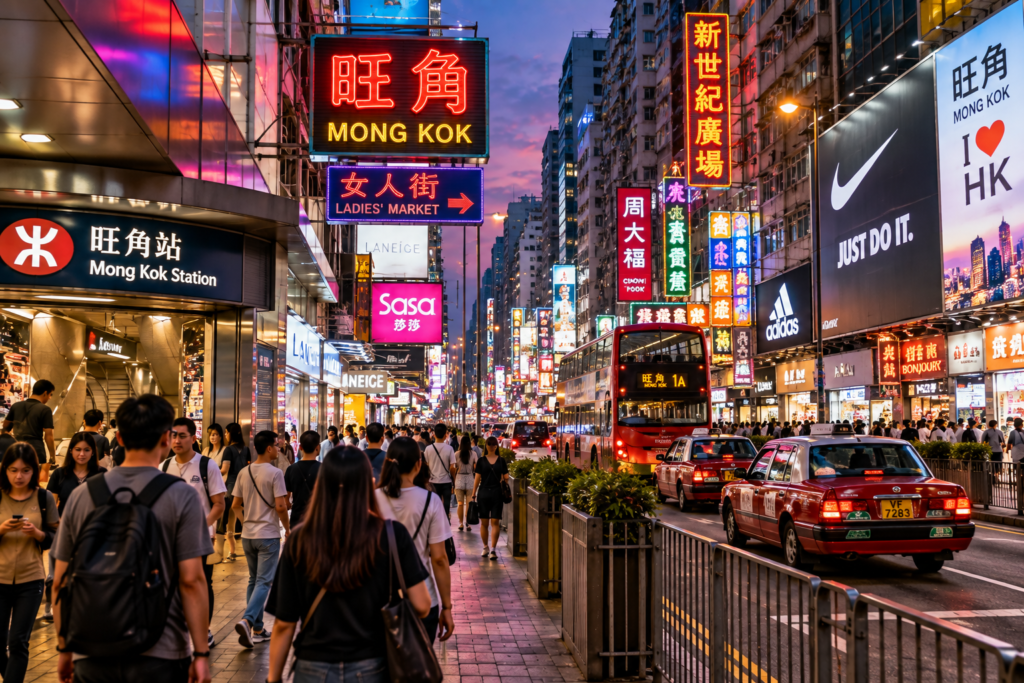
Mong Kok
Discover one of Hong Kong’s most energetic neighbourhoods, known for crowded streets, colourful signs, local food, shopping, markets, and nonstop city life.
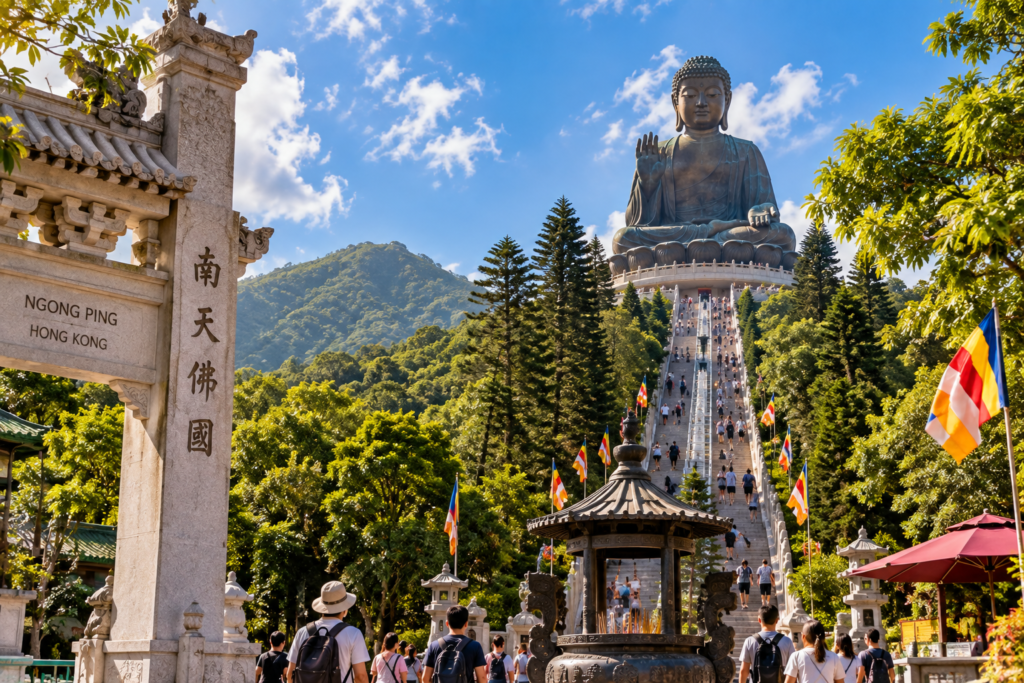
Tian Tan Buddha
Visit the enormous bronze Buddha on Lantau Island, surrounded by mountains and peaceful scenery near Po Lin Monastery and Ngong Ping Village.
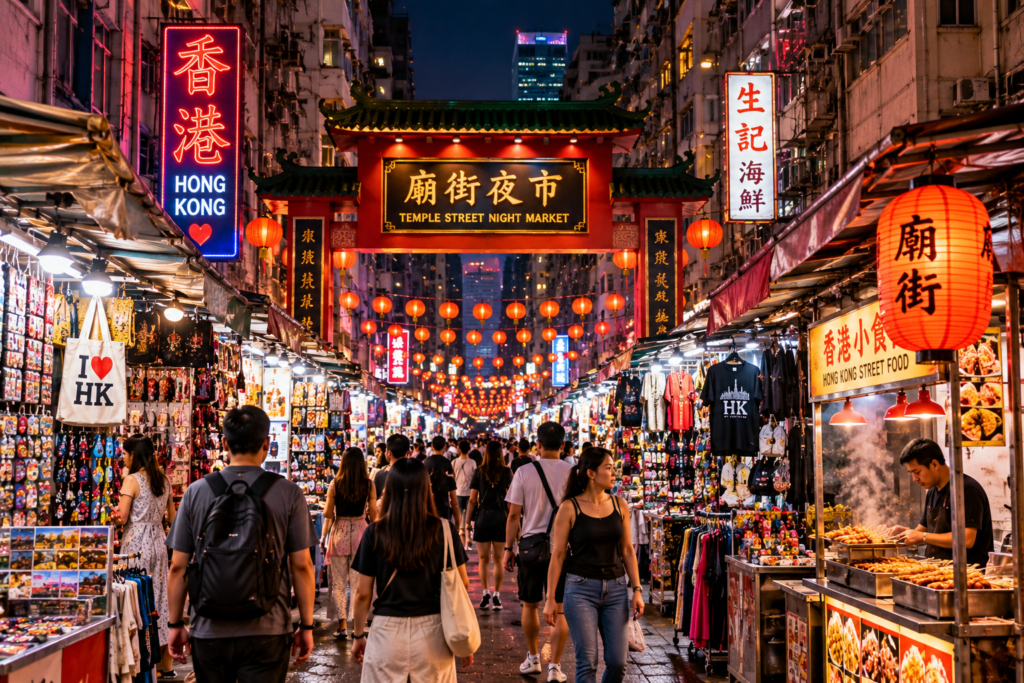
Temple Street Night Market
Experience a lively evening market in Kowloon with street stalls, local food, souvenirs, traditional atmosphere, and busy streets that come alive after sunset.
HONG KONG TRAVEL GUIDE
Everything you need to know to plan your trip to Hong Kong, from the best time to visit and travel costs to transport, accommodation, food, and practical tips.
Best Time to Visit Hong Kong
Hong Kong can be visited throughout the year, but October to December is generally one of the most comfortable periods. Temperatures are usually pleasant, humidity is lower than during summer, and conditions are often good for sightseeing and exploring outdoors.
January to March is cooler, with mild daytime temperatures and occasional cloudy or damp weather. It can be a comfortable time for walking around the city, although evenings may feel cool.
April to September is warmer and much more humid. Summer can be extremely hot, with frequent rain and thunderstorms. Tropical cyclones can also affect Hong Kong during the warmer months, so check weather forecasts and local warnings when travelling during this period.
How Much Does Hong Kong Cost?
Hong Kong can be relatively expensive compared with many destinations in Southeast Asia, particularly when it comes to accommodation. However, public transport and local food can still be reasonably affordable.
A budget traveller staying in hostels or simple accommodation and eating mainly at local restaurants could spend around HK$500–800 per day, excluding international flights.
For a more comfortable trip with a private hotel room, restaurants, attractions, and regular transport, around HK$1,000–1,800+ per day is a more realistic budget.
Accommodation will usually be your biggest expense. Local noodle shops, bakeries, cafés, markets, and casual restaurants can help keep food costs lower.
Getting to Hong Kong
Most international visitors arrive through Hong Kong International Airport (HKG), located on Lantau Island.
The Airport Express provides a fast connection between the airport and central areas including Kowloon and Hong Kong Island. Buses are a cheaper alternative and serve many neighbourhoods throughout the city.
Hong Kong is also connected with mainland China by high-speed rail, with trains operating from Hong Kong West Kowloon Station to numerous Chinese cities.
Ferries also connect Hong Kong with destinations around the Pearl River Delta.
Getting Around Hong Kong
Hong Kong has an excellent public transport system, making it easy to explore without a car.
The MTR is usually the fastest way to travel between major neighbourhoods and attractions. Trains are frequent, clean, and easy to navigate.
Buses, minibuses, ferries, and Hong Kong’s famous double-decker trams provide additional ways to explore the city.
The Star Ferry between Kowloon and Hong Kong Island is both practical and a great way to enjoy views across Victoria Harbour.
An Octopus card is extremely useful for public transport and can also be used for payments at many shops and convenience stores.
Where to Stay in Hong Kong
Choosing the right area depends on what you want to experience.
Tsim Sha Tsui is a convenient choice for first-time visitors, with excellent transport connections, shopping, restaurants, and easy access to Victoria Harbour.
Central puts you among Hong Kong Island’s skyscrapers, restaurants, nightlife, shopping, and major transport connections.
Causeway Bay is ideal if you enjoy shopping, restaurants, bright streets, and a busy city atmosphere.
Mong Kok offers a more energetic Kowloon experience, with markets, local restaurants, shopping streets, and plenty happening throughout the day and evening.
Rooms in Hong Kong can be considerably smaller than travellers may expect, particularly in more affordable hotels.
Food in Hong Kong
Food is one of the highlights of visiting Hong Kong, with everything from inexpensive local restaurants to internationally recognised fine dining.
Try dim sum, traditionally served as small dishes such as dumplings, buns, and rolls.
Other popular foods include wonton noodles, roast goose, char siu, egg tarts, pineapple buns, rice dishes, congee, and Hong Kong-style milk tea.
Local bakeries, traditional tea restaurants known as cha chaan teng, street-food stalls, and neighbourhood restaurants are excellent places to experience everyday Hong Kong food.
Money and Payments
The local currency is the Hong Kong dollar (HKD).
Credit cards and digital payments are widely accepted, particularly in hotels, shopping centres, restaurants, and larger businesses.
However, carrying some cash is still useful for smaller restaurants, markets, and certain local businesses.
ATMs are widely available throughout the city.
The Octopus card can also be used for many everyday purchases in addition to public transport.
Staying Connected
Hong Kong has excellent mobile and internet coverage.
Free Wi-Fi is available in many hotels, cafés, shopping centres, transport hubs, and public areas.
Visitors can buy a local prepaid SIM card or use an eSIM for mobile data during their trip.
Having mobile internet is particularly useful for maps, public transport routes, translations, and finding restaurants and attractions while exploring.
Is Hong Kong Safe for Solo Travellers?
Hong Kong is generally straightforward to explore as a solo traveller, with efficient public transport, busy streets, and extensive tourist infrastructure.
Normal travel precautions are still important. Keep an eye on valuables in crowded markets, public transport, and busy tourist areas.
When hiking or exploring more remote parts of Hong Kong, carry water, check the weather, choose suitable routes, and allow enough time to return before dark.
The emergency number in Hong Kong is 999.
Visa and Entry Requirements
Entry requirements depend on your nationality, passport, length of stay, and purpose of travel.
British citizens using a full British citizen passport can generally visit Hong Kong for tourism without obtaining a visa in advance for stays of up to 180 days. Different rules apply to some other British nationality categories.
Travellers with other passports may have different visa requirements and permitted lengths of stay.
Entry rules can change, so always check the latest official Hong Kong immigration requirements before travelling.
What to Wear in Hong Kong
Hong Kong’s weather varies significantly throughout the year.
During the hot and humid summer months, lightweight and breathable clothing is most comfortable. Carrying a small umbrella can also be useful because heavy showers can appear quickly.
During the cooler winter months, light layers and a jacket may be useful, particularly in the evening.
Comfortable walking shoes are essential because exploring Hong Kong often involves plenty of walking, hills, stairs, and long days sightseeing.
If you plan to hike, bring suitable footwear and clothing for the conditions.
How Long Do You Need in Hong Kong?
3 days is enough to experience many of Hong Kong’s major highlights, including Victoria Peak, Victoria Harbour, Kowloon, markets, and some of the main neighbourhoods.
4–5 days gives you more time to explore at a comfortable pace and visit places such as Lantau Island, Tian Tan Buddha, local neighbourhoods, and additional viewpoints.
With 6–7 days, you can explore beyond the main tourist areas and include hiking trails, beaches, islands, quieter neighbourhoods, and day trips.
Final Tips for Visiting Hong Kong
Get an Octopus card if you plan to use public transport regularly.
Ride the Star Ferry at least once for fantastic views of Victoria Harbour.
Visit Victoria Peak when visibility is good, as haze and clouds can significantly affect the view.
Explore both Hong Kong Island and Kowloon rather than staying on only one side of the harbour.
Spend some time away from the major shopping districts. Local neighbourhoods, markets, hiking trails, beaches, and islands show a very different side of Hong Kong.
Try local restaurants and cha chaan teng instead of eating only in international chains.
Hong Kong involves plenty of walking, so comfortable shoes will make a big difference.
READY TO EXPLORE HONG KONG?
From the spectacular skyline of Victoria Harbour and panoramic views from Victoria Peak to colourful markets, traditional temples, incredible food, lively neighbourhoods, and peaceful mountains, Hong Kong packs an incredible variety of experiences into one destination. Start planning your trip and experience it for yourself.
GET TRAVEL INSPIRATION IN YOUR INBOX
Get practical travel tips, destination inspiration, and new guides delivered straight to your inbox.