
Explore Rome
Discover ancient landmarks, beautiful piazzas, incredible food, historic neighbourhoods, and centuries of history in Italy’s unforgettable capital.
DISCOVER ROME
Rome is one of the world’s most fascinating cities, where ancient history, beautiful architecture, lively streets, and Italian culture come together around almost every corner.
Walking through the city feels like exploring an open-air museum. You can visit landmarks dating back thousands of years, wander through elegant piazzas, discover impressive churches and fountains, enjoy traditional Roman food, and experience neighbourhoods filled with local character.
From the Colosseum and Roman Forum to the Trevi Fountain, Pantheon, Spanish Steps, and the streets of Trastevere, Rome offers an incredible variety of experiences within a relatively compact city.
Here you’ll find the best things to do, practical travel tips, costs, transport advice, and everything you need to start planning your own trip to Rome.
TOP THINGS TO DO IN ROME
Discover some of Rome’s most famous landmarks, historic neighbourhoods, beautiful squares, and unforgettable experiences.
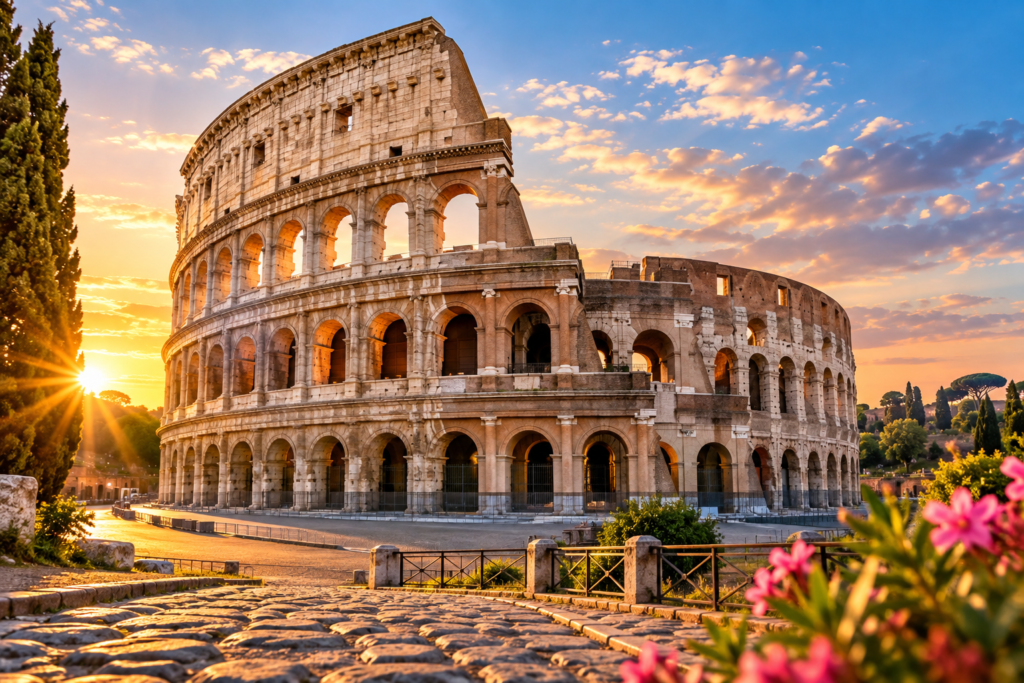
The Colosseum
Step inside one of the world’s most famous ancient landmarks and discover the fascinating history of gladiators, emperors, and the Roman Empire.
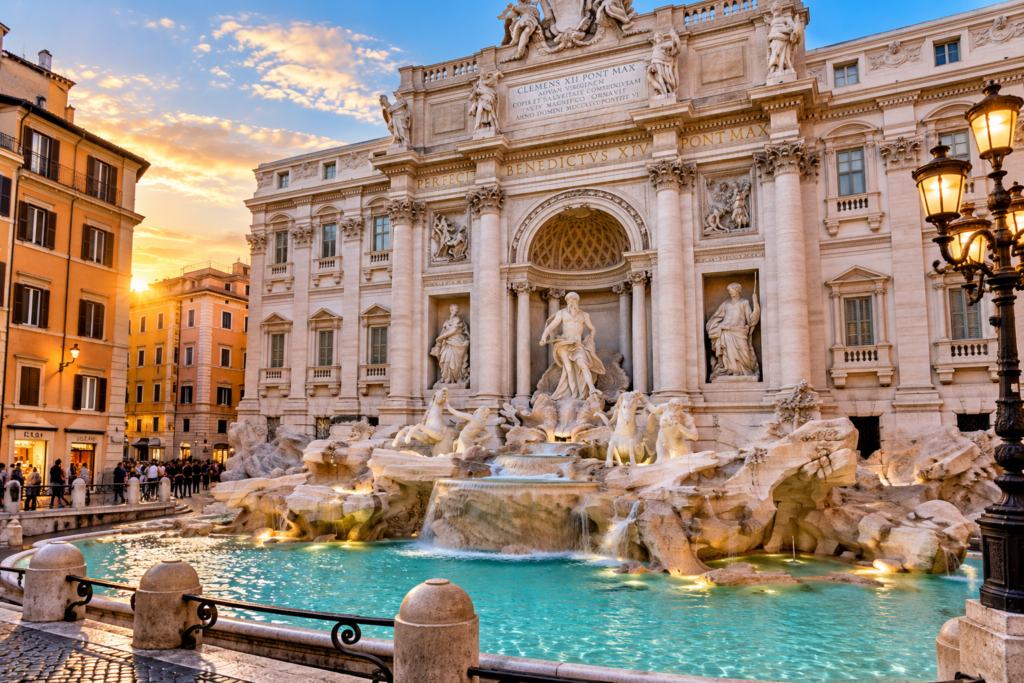
Trevi Fountain
Visit Rome’s spectacular Baroque fountain, admire its detailed sculptures, and experience one of the most iconic sights in the historic centre.
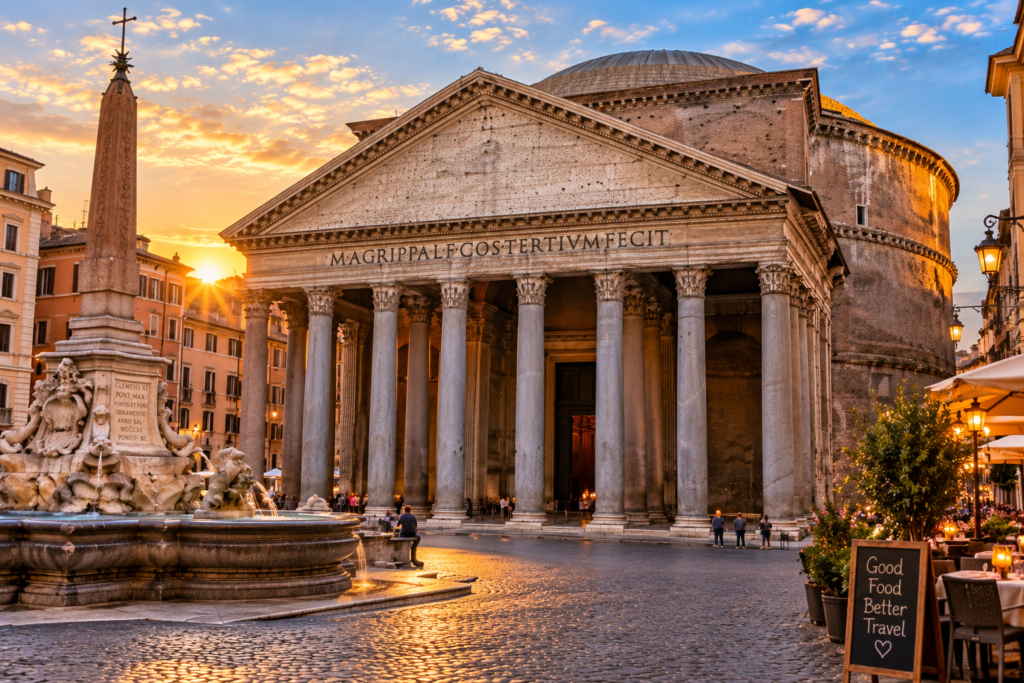
Pantheon
Explore one of ancient Rome’s best-preserved monuments, famous for its enormous dome, impressive interior, and remarkable history spanning almost two thousand years.
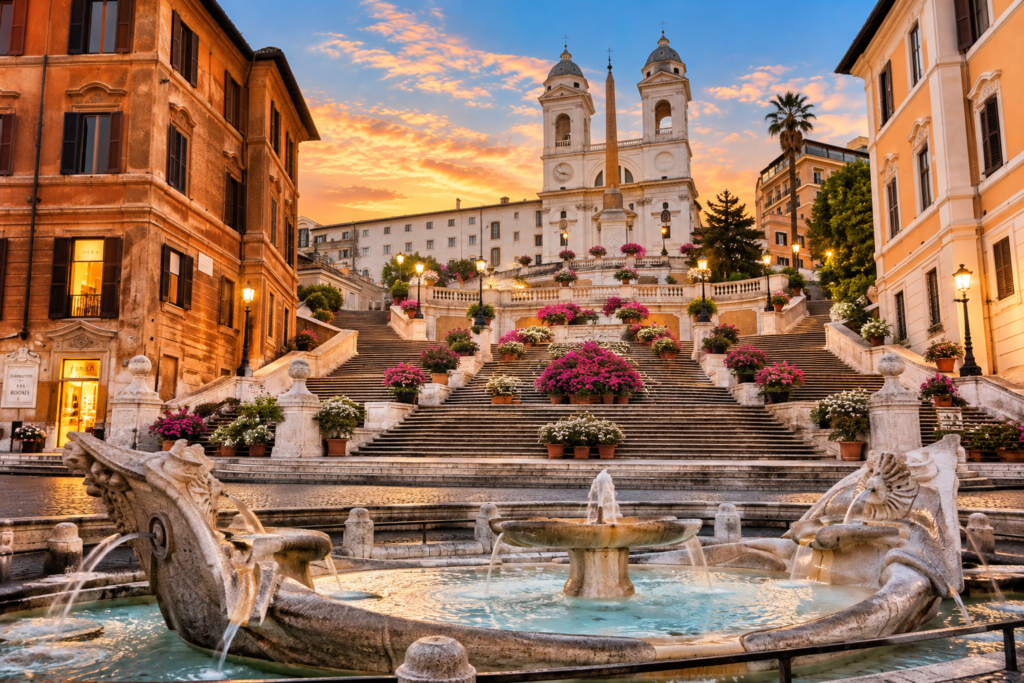
Spanish Steps
Walk through the elegant streets around Piazza di Spagna and see the famous Spanish Steps, surrounded by historic buildings, fountains, cafés, and shopping streets.
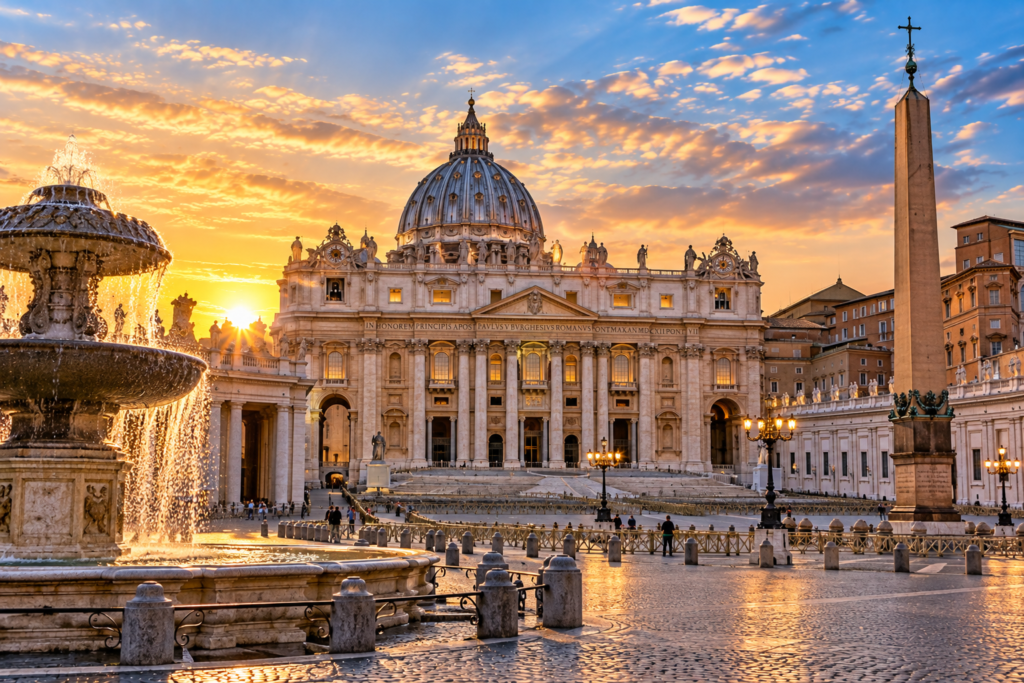
Vatican City
Visit the world’s smallest independent state and discover St Peter’s Square, St Peter’s Basilica, the Vatican Museums, and centuries of remarkable art and history.
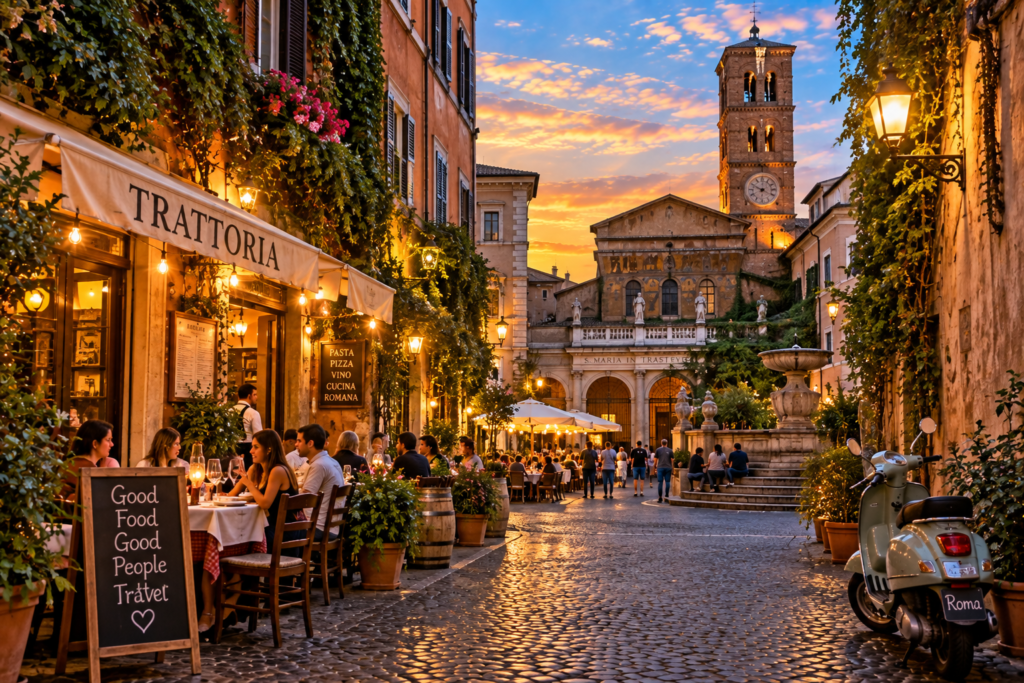
Trastevere
Explore one of Rome’s most atmospheric neighbourhoods, filled with narrow cobbled streets, colourful buildings, traditional restaurants, cafés, and lively evening streets.
ROME TRAVEL GUIDE
Everything you need to know to plan your trip to Rome, from the best time to visit and travel costs to transport, accommodation, food, and practical tips.
Best Time to Visit Rome
Rome can be visited throughout the year, but April to June and September to October are particularly good periods for sightseeing. The weather is generally comfortable for walking, while avoiding some of the strongest summer heat.
July and August can be very hot, especially during the middle of the day. These months are also part of the busy European summer travel season, so popular attractions can become crowded.
November to February is cooler and generally quieter. Winter can be a good option if you prefer fewer crowds, although you should expect shorter days and occasional rain.
Whatever time you visit, comfortable walking shoes are essential because exploring Rome usually involves a lot of walking.
How Much Does Rome Cost?
Rome can suit different budgets, although accommodation close to the historic centre can become expensive, particularly during busy periods.
A budget traveller staying in a hostel or affordable room and using public transport can expect to spend roughly €60–€100 per day, excluding flights.
For a more comfortable trip with a private hotel room, restaurant meals, paid attractions, and regular public transport, approximately €120–€220+ per day is more realistic.
You can reduce your costs by booking accommodation early, walking between nearby attractions, using public transport, eating away from the busiest tourist streets, and taking advantage of Rome’s many impressive sights that can be enjoyed for free.
Getting to Rome
Rome is served by two main airports.
Rome Fiumicino Airport (FCO) is the city’s main international airport and handles most long-distance and international flights.
Rome Ciampino Airport (CIA) is smaller and is commonly used by some low-cost European airlines.
From Fiumicino, trains connect the airport with central Rome, including direct services to Roma Termini, the city’s main railway station. Buses, taxis, and private transfers are also available.
Rome is also extremely well connected by train with other Italian cities. High-speed trains make it easy to reach Rome from destinations such as Florence, Naples, Milan, Bologna, and Venice.
Getting Around Rome
Walking is one of the best ways to experience central Rome. Many famous attractions are relatively close together, and exploring on foot allows you to discover smaller streets, piazzas, churches, cafés, and historic buildings along the way.
Rome also has a public transport network consisting of Metro, buses, and trams.
The Metro is useful for some major attractions, while buses provide more extensive coverage across the city.
Taxis are available, but public transport and walking are usually more economical.
Traffic can be heavy, so renting a car is generally unnecessary if your trip is focused on central Rome.
Where to Stay in Rome
Choosing the right area can make exploring Rome much easier.
Centro Storico places you close to many famous attractions, including the Pantheon, Trevi Fountain, and Piazza Navona. It is extremely convenient but can be expensive.
Monti is a characterful neighbourhood close to the Colosseum and Roman Forum, with restaurants, cafés, and attractive streets.
Trastevere offers narrow streets, restaurants, bars, and a lively atmosphere, particularly in the evening.
Prati is a good option for travellers who want to stay close to Vatican City while enjoying a slightly more residential atmosphere.
The area around Roma Termini can offer convenient transport connections and more affordable accommodation options, particularly if you plan to take trains to other destinations.
Food in Rome
Food is an important part of experiencing Rome, and the city has plenty of traditional dishes worth trying.
Look for classic Roman pasta dishes such as carbonara, cacio e pepe, amatriciana, and gricia.
You’ll also find pizza, supplì, artichokes, traditional meat dishes, pastries, gelato, and countless cafés serving Italian coffee.
For a more local experience, explore restaurants away from the streets immediately surrounding the biggest tourist attractions. Trastevere and other residential neighbourhoods have plenty of options.
And, of course, leave some room for gelato and tiramisu.
Money and Payments
Italy uses the euro (€).
Credit and debit cards are widely accepted in hotels, restaurants, shops, supermarkets, and many attractions. Contactless payments are also common.
It is still useful to carry a small amount of cash for smaller purchases, cafés, markets, or places where card payments may not be convenient.
ATMs are widely available, but check withdrawal fees before using them and be cautious with standalone currency-conversion machines in heavily tourist-oriented areas.
Staying Connected
Wi-Fi is widely available in hotels, cafés, restaurants, and other accommodation.
A local Italian SIM card or travel eSIM can be useful if you want mobile data throughout your trip, particularly for navigation, public transport information, translations, and finding restaurants or attractions.
Mobile coverage is generally strong throughout Rome.
Downloading an offline map before exploring can also be useful, especially when walking through Rome’s maze of smaller historic streets.
Is Rome Safe for Solo Travellers?
Rome is a popular destination for solo travellers and millions of international visitors explore the city every year.
As in other major tourist cities, you should take normal precautions with your belongings. Pickpocketing can be a concern in crowded tourist areas and on busy public transport, so keep phones, wallets, passports, and other valuables secure.
Pay particular attention around major transport hubs and crowded attractions.
At night, stay aware of your surroundings and use the same precautions you would in any large European city.
The emergency number throughout Italy is 112.
Visa and Entry Requirements
Italy is part of the Schengen Area, so entry requirements depend on your nationality and circumstances.
British citizens travelling with a full British citizen passport can generally visit Italy and other Schengen countries for short stays of up to 90 days in any 180-day period without obtaining a visa in advance for tourism, subject to the applicable entry conditions.
Passport validity requirements apply, and European border procedures are changing with the introduction of systems including EES and ETIAS.
Travellers of other nationalities may require a Schengen visa before travelling.
Always check the latest official entry requirements that apply to your passport before booking and travelling.
What to Wear in Rome
Comfortable shoes should be one of your priorities because Rome is best explored on foot and many historic streets are paved with cobblestones.
During summer, lightweight and breathable clothing is useful because temperatures can become very hot.
Spring and autumn can require light layers and a jacket, while winter visitors should bring warmer clothing and rain protection.
Remember that some churches and religious sites, including locations within Vatican City, have dress requirements. Clothing that appropriately covers shoulders and knees may be required for entry.
How Long Do You Need in Rome?
Three days gives you enough time to experience many of Rome’s major attractions, particularly if you plan your sightseeing carefully.
With four or five days, you can explore at a more relaxed pace, spend more time in different neighbourhoods, visit museums and archaeological sites, and enjoy the city beyond its biggest landmarks.
If Rome is your first visit and you want to see the Colosseum, historic centre, Vatican City, Trastevere, and several major attractions without rushing, around four days is a comfortable amount of time.
Final Tips for Visiting Rome
Book popular attractions such as the Colosseum and Vatican Museums ahead of time, especially during busy travel periods.
Start sightseeing early when possible. Major landmarks become considerably busier later in the day.
Explore Rome on foot rather than travelling between every attraction by public transport. Some of the best moments come from discovering unexpected streets, churches, fountains, and piazzas between the famous landmarks.
Carry a refillable water bottle. Rome has public drinking fountains known as nasoni throughout the city.
Avoid eating exclusively beside the biggest tourist attractions. Walking a few streets away can often lead to a more relaxed experience and better-value restaurants.
Give yourself time to experience Rome rather than simply moving from one landmark to another. Stop for coffee, enjoy a piazza, walk along the Tiber, explore Trastevere, and experience the atmosphere of the city.
READY TO EXPLORE ROME?
From the ancient Colosseum and magnificent Pantheon to the Trevi Fountain, Vatican City, lively streets of Trastevere, and unforgettable Italian food, Rome brings thousands of years of history together in one extraordinary city. Start planning your trip and experience the Eternal City for yourself.
GET TRAVEL INSPIRATION IN YOUR INBOX
Get practical travel tips, destination inspiration, and new guides delivered straight to your inbox.