
Explore Vietnam
Discover vibrant cities, incredible landscapes, delicious food, rich culture, and unforgettable experiences across Vietnam.
DISCOVER VIETNAM
Vietnam is one of Southeast Asia’s most exciting countries to explore, combining energetic cities, beautiful landscapes, fascinating history, and some of the region’s best food. From the busy streets of Hanoi and Ho Chi Minh City to mountains, beaches, rice fields, and traditional towns, every part of the country offers something different. Here you’ll find my experiences, practical travel tips, and everything you need to start planning your own trip to Vietnam.
PLACES I’VE VISITED IN VIETNAM
Explore the places I’ve visited across Vietnam, from the historic streets of Hanoi to the beaches of Da Nang and the energy of Ho Chi Minh City.
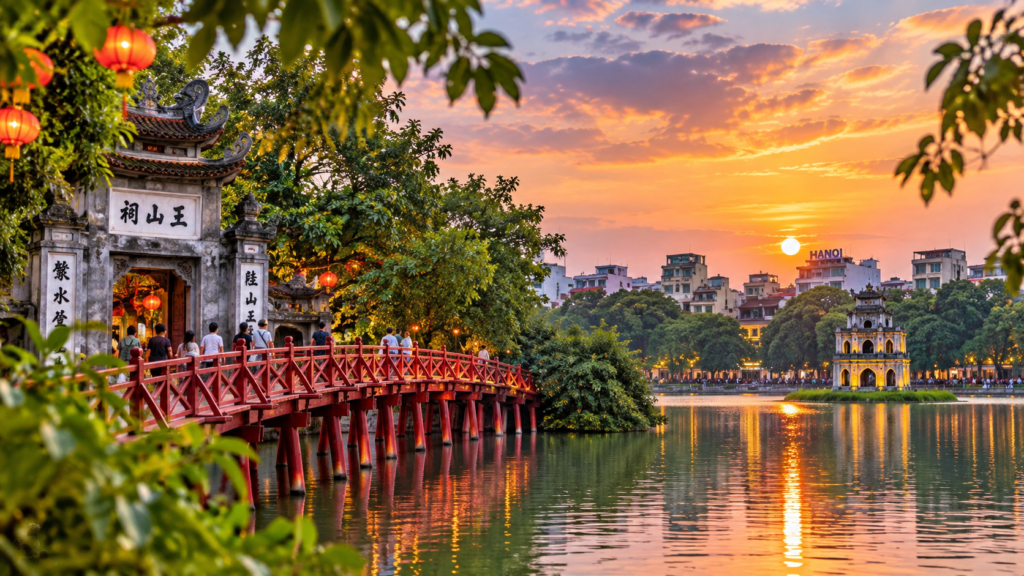
Hanoi
Vietnam’s vibrant capital, known for its busy Old Quarter, street food, historic landmarks, lakes, and fascinating local life.
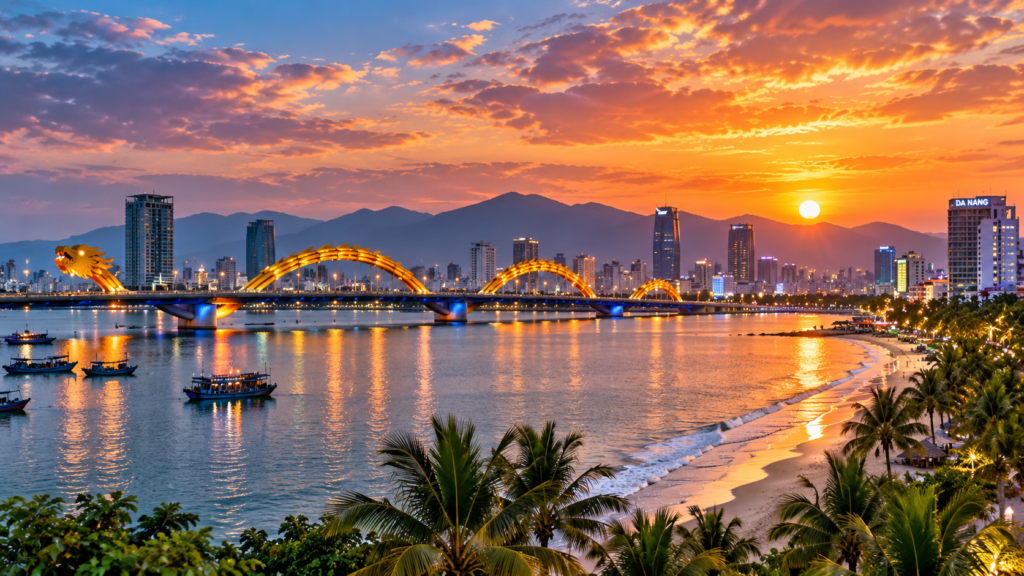
Da Nang
A relaxed coastal city with beautiful beaches, great food, modern city life, and easy access to some of central Vietnam’s most famous attractions.
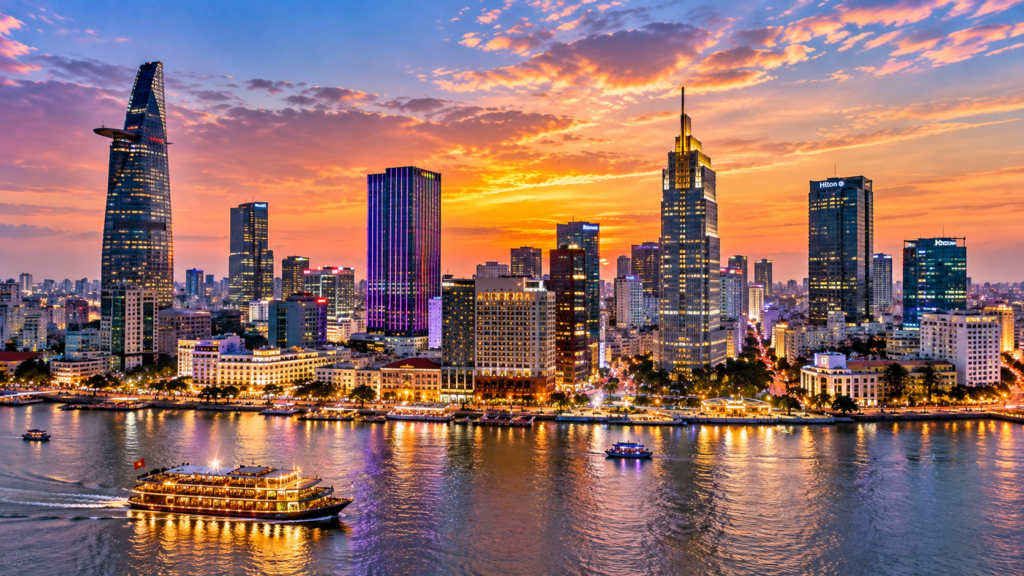
Ho Chi Minh City
Vietnam’s energetic southern metropolis, packed with history, busy markets, street food, rooftop views, and nonstop city life.
VIETNAM TRAVEL GUIDE
Everything you need to know to plan your trip to Vietnam, from the best time to visit and travel costs to transport, accommodation, food, and practical tips.
Best Time to Visit Vietnam
Vietnam can be visited throughout the year, but because the country stretches a long way from north to south, the weather can vary considerably between different regions.
In northern Vietnam, including Hanoi, the cooler and generally drier months from around October to April can be comfortable for sightseeing. Winter, particularly December to February, can sometimes feel surprisingly cool, especially in the north.
In central Vietnam, including Da Nang, conditions are often favourable during the first half of the year, particularly from around February to August. The wetter season usually arrives later in the year, and central Vietnam can also experience tropical storms and heavy rainfall.
In southern Vietnam, including Ho Chi Minh City, temperatures remain warm throughout most of the year. The drier season generally runs from around December to April, while the wetter season is usually from around May to November. Rain during the wet season often comes in heavy but relatively short showers.
Because the weather varies so much across Vietnam, there isn’t one perfect month for the entire country. If you’re travelling from Hanoi through Da Nang to Ho Chi Minh City, check the forecast for each region rather than relying on the weather in just one city.
How Much Does Vietnam Cost?
Vietnam is an excellent destination for budget travellers and offers very good value for accommodation, food, transport, and everyday expenses.
For a tight budget, around US$25–40 per person per day can be possible if you stay in hostels or inexpensive guesthouses, eat mainly local food, use public transport, and limit expensive tours and activities.
For a more comfortable budget trip, around US$50–80 per person per day gives you more flexibility for private hotel rooms, restaurants, taxis or ride-hailing services, attractions, and occasional organised tours.
Domestic flights, longer train journeys, private tours, and higher-end accommodation can increase your overall costs. Vietnam is still generally an affordable destination, especially if you eat locally and book transport and accommodation in advance.
Getting to Vietnam
Vietnam has several international airports, making it easy to enter the country from other parts of Asia and many international destinations.
The main gateways include Noi Bai International Airport for Hanoi in the north, Da Nang International Airport in central Vietnam, and Tan Son Nhat International Airport for Ho Chi Minh City in the south.
If you’re planning to travel through Vietnam from north to south, flying into Hanoi and leaving from Ho Chi Minh Citycan be a convenient option. You can also do the journey in the opposite direction.
Vietnam shares land borders with China, Laos, and Cambodia, and overland buses are available on several international routes. If entering through a land border, always check that your particular border crossing accepts your visa or entry method before travelling.
Getting Around Vietnam
Vietnam is a long country, so choosing the right transport can save you a considerable amount of time.
For longer journeys between major cities, domestic flights can be convenient and relatively affordable when booked in advance. Vietnam also has an extensive railway network, including the famous north-to-south railway connecting Hanoi and Ho Chi Minh City with destinations along the way.
Sleeper trains and overnight buses are popular with budget travellers because they can save both travel time during the day and the cost of a night’s accommodation. However, journey times can be long, so flying may make more sense if you have a limited itinerary.
Within cities, taxis and ride-hailing apps are convenient. Motorbikes and scooters are extremely common, but Vietnam’s traffic can be challenging, particularly if you aren’t an experienced rider.
Where to Stay in Vietnam
Vietnam has an enormous range of accommodation, from inexpensive hostels and family-run guesthouses to boutique hotels and luxury resorts.
In Hanoi, staying around or near the Old Quarter is convenient for first-time visitors because many attractions, restaurants, cafés, and markets are within walking distance.
In Da Nang, you can choose between staying closer to the city centre or near the beach. Beachside accommodation is a good option if you want a more relaxed stay while still having easy access to the city.
In Ho Chi Minh City, central areas such as District 1 are popular with visitors because they provide convenient access to many major attractions, restaurants, nightlife, and transport.
Before booking, always check the property’s recent reviews and its exact location rather than choosing based on price alone.
Food in Vietnam
Food is one of the highlights of travelling around Vietnam, and eating locally can also help keep your travel budget low.
One of the country’s most famous dishes is pho, a noodle soup commonly served with beef or chicken. Another favourite is banh mi, a Vietnamese baguette filled with different combinations of meat, vegetables, herbs, and sauces.
You can also try dishes such as bun cha, rice and noodle dishes, spring rolls, seafood, and many regional specialities. Vietnamese coffee is another experience worth trying, including the strong traditional coffee usually served with condensed milk.
Street food is an important part of Vietnamese culture. Busy stalls with a high turnover of customers are often a good choice, but use normal food-safety precautions and drink bottled or properly filtered water.
Money and Payments in Vietnam
Vietnam’s official currency is the Vietnamese dong (VND).
Cash is still widely used, particularly at markets, street-food stalls, small restaurants, and independent businesses. Cards are increasingly accepted at hotels, shopping centres, larger restaurants, and tourist-oriented businesses.
ATMs are widely available in cities and tourist destinations, although withdrawal limits and fees vary between banks. Your own bank may also charge foreign transaction or withdrawal fees.
Because Vietnamese banknotes can have large denominations and some notes look similar, take a moment to check the amount before paying. Carrying some smaller notes is also useful for everyday purchases.
Staying Connected in Vietnam
Getting internet access in Vietnam is generally easy. Local SIM cards and prepaid data packages are widely available and are usually inexpensive.
Mobile data is useful for Google Maps, translation, booking transport, finding restaurants, communicating with accommodation, and using ride-hailing apps.
If your phone supports it, an eSIM is another convenient option and can be arranged before you arrive. Wi-Fi is also widely available in hotels, cafés, restaurants, and many other businesses.
Is Vietnam Safe for Solo Travellers?
Vietnam is a popular destination for solo travellers, including people travelling around Southeast Asia for the first time. Most visits are trouble-free, but normal travel precautions are still important.
Keep your phone, wallet, passport, camera, and other valuables secure, particularly in busy streets, markets, transport hubs, and nightlife areas. Be especially careful when using your phone close to the road in busy cities.
When using taxis, choose reputable companies or ride-hailing apps where possible. When booking buses, tours, or other transport, checking recent reviews can help you avoid unreliable operators.
Traffic is one of the biggest adjustments for many first-time visitors. Roads in Hanoi and Ho Chi Minh City can initially feel chaotic, so take extra care when crossing streets and don’t assume vehicles will stop in the same way they might in your home country.
Vietnam Visa and Entry Requirements
Vietnam’s visa requirements depend on your nationality, passport, length of stay, and purpose of travel.
Some nationalities can enter Vietnam without a visa for a limited period, while others need to obtain a visa or e-visabefore travelling. Rules and permitted lengths of stay can change, so always check the latest official requirements before booking your trip.
Make sure your passport meets Vietnam’s validity requirements and carefully check that the personal information on your visa or e-visa matches your passport.
If you plan to enter Vietnam more than once during the same trip—for example, travelling from Vietnam into Cambodia and then returning—make sure your visa or entry permission allows the number of entries you need.
What to Wear in Vietnam
What you pack for Vietnam depends partly on the regions and time of year you’re visiting.
Lightweight, breathable clothing is useful in hot and humid conditions, particularly in southern Vietnam. However, northern Vietnam can be much cooler during winter, so you may need warmer layers if you’re visiting Hanoi or mountainous areas during the cooler months.
When visiting temples, pagodas, and religious sites, dress respectfully and carry something that allows you to cover your shoulders and knees when necessary.
Comfortable walking shoes are essential for exploring cities. Sunscreen, a hat, insect repellent, and a lightweight rain jacket are also useful additions to your luggage.
How Long Do You Need in Vietnam?
Vietnam deserves more than just a few days because of the distances between its major destinations.
For a trip covering Hanoi, Da Nang, and Ho Chi Minh City, I would allow at least 10–14 days if possible. This gives you time to experience each city without spending your entire trip moving between destinations.
With two to three weeks, you can travel at a more relaxed pace and add additional destinations or day trips along the way.
If you have more time, Vietnam is particularly well suited to a longer north-to-south journey, allowing you to experience how the landscapes, food, culture, and atmosphere change as you travel through the country.
Final Tips for Visiting Vietnam
Vietnam can feel intense when you first arrive, particularly in busy cities such as Hanoi and Ho Chi Minh City, but that energy is also a big part of the experience.
Don’t try to see too much in a short period. The distances between destinations can be significant, so build some flexibility into your itinerary and consider using flights or overnight transport for longer journeys.
Try local food, explore beyond the main tourist streets, carry some cash, use mobile data to make getting around easier, and take extra care when crossing busy roads.
Most importantly, give yourself time to experience the everyday side of Vietnam. Sitting at a small local café, walking through a neighbourhood or market, trying street food, and simply watching the activity around you can be just as memorable as visiting the major attractions.
READY TO EXPLORE VIETNAM?
Start planning your Vietnam adventure and discover my travel experiences, practical tips, and guides from across the country.
GET TRAVEL INSPIRATION IN YOUR INBOX
Get practical travel tips, destination inspiration, and new guides delivered straight to your inbox.