
Explore Cambodia
Discover ancient temples, vibrant cities, tropical islands, rich culture, and unforgettable experiences across Cambodia.
DISCOVER CAMBODIA
Cambodia is a fascinating country to explore, from the incredible temples of Angkor to the busy streets of Phnom Penh. I visited Phnom Penh and Siem Reap, experiencing Cambodia’s history, local culture, food, and some of its most famous sights. Here you’ll find my experiences, practical travel tips, and everything you need to plan your own trip to Cambodia.
PLACES I’VE VISITED IN CAMBODIA
Explore some of the places I’ve visited across Cambodia, each offering a different side of the country.
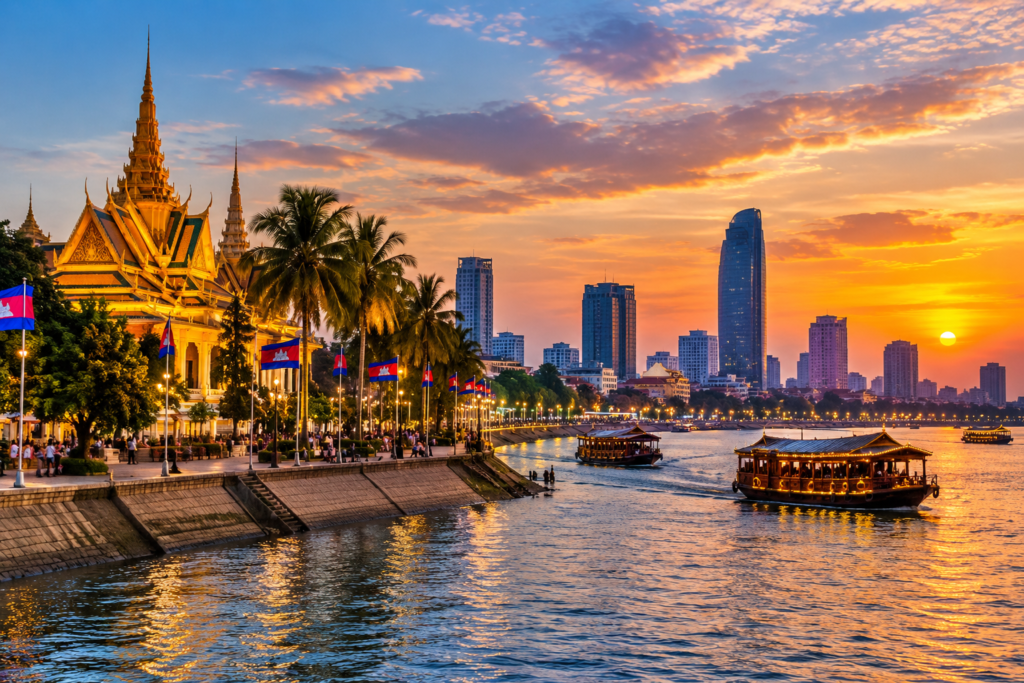
Phnom Penh
Cambodia’s lively capital, with fascinating history, local markets, temples, and riverside life.
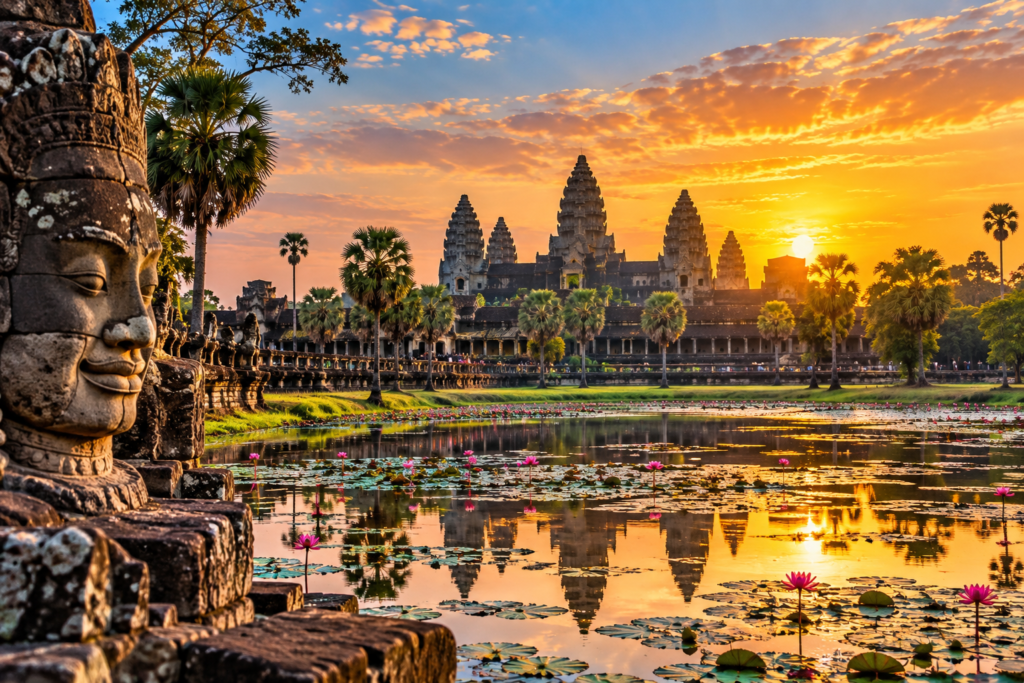
Siem Reap
The gateway to Angkor Wat, with incredible ancient temples, local markets, food, and a lively atmosphere.
CAMBODIA TRAVEL GUIDE
Everything you need to know to plan your trip to Cambodia, from the best time to visit and travel costs to transport, accommodation, food, and practical tips.
Best Time to Visit Cambodia
Cambodia can be visited throughout the year, but the weather can make a big difference to your experience. Generally, November to February is one of the most comfortable periods to visit, with lower humidity, less rain, and cooler temperatures. This is also the most popular time for exploring Phnom Penh, Siem Reap, and the temples of Angkor.
March to May is usually the hottest period, with temperatures often becoming uncomfortable during the middle of the day. If you’re visiting Angkor Wat during these months, starting early in the morning can make exploring much more enjoyable.
The rainy season generally runs from around May to October. You can expect heavier showers, but rain often comes in short bursts rather than lasting all day. There are also advantages to travelling during this period, including greener landscapes, fewer tourists, and sometimes lower accommodation prices.
How Much Does Cambodia Cost?
Cambodia is one of the more affordable destinations in Southeast Asia and can be particularly good value for solo and budget travellers. Your daily costs will depend heavily on your accommodation, how you travel between cities, where you eat, and how many attractions and tours you include.
For a tight budget, around US$25–40 per person per day can be possible if you stay in hostels or inexpensive guesthouses, eat mainly local food, and keep paid activities and private transport to a minimum.
For a comfortable budget trip, around US$50–80 per person per day gives you considerably more flexibility. You can stay in comfortable private rooms, eat at a mixture of local and tourist-oriented restaurants, use tuk-tuks when needed, and enjoy more attractions and activities.
Remember that major attractions can significantly increase your spending. In particular, visiting the Angkor Archaeological Park is a separate expense, so it’s worth including entrance tickets and transport around the temples in your Siem Reap budget.
Getting to Cambodia
Most international travellers arrive in Cambodia by air. The two main airports for tourists are Phnom Penh International Airport and Siem Reap–Angkor International Airport. Phnom Penh is the main gateway to the capital, while Siem Reap is the best choice if your main goal is to visit Angkor Wat and the surrounding temples.
Cambodia is also connected by land to Thailand, Vietnam, and Laos, so overland travel can be a good option if you are already travelling around Southeast Asia. Buses and minivans run between Cambodia and neighbouring countries, but journey times can be long and border procedures may take extra time.
Before travelling, check the latest visa and entry requirements for your passport, especially if you plan to cross a land border. Some visa types and entry rules can differ depending on the border crossing you use.
If you are arriving by air, it is worth arranging your first night’s accommodation in advance and having the address ready. From the airport, you can normally use taxis, tuk-tuks, or ride-hailing services to reach your hotel.
Getting Around Cambodia
Travelling around Cambodia is relatively straightforward, particularly along the main tourist routes. Buses and minivans connect popular destinations such as Phnom Penh and Siem Reap, and they are usually one of the most affordable ways to travel around the country.
Within cities, tuk-tuks are extremely common and convenient. Ride-hailing apps are also useful because they can make prices clearer and reduce the need to negotiate every journey.
For longer distances, domestic flights are sometimes available, but buses and minivans are generally more practical for budget travellers. Always allow some extra time when travelling overland, as journeys can take longer than expected because of traffic and road conditions.
Where to Stay in Cambodia
Cambodia offers accommodation for almost every budget, from inexpensive hostels and family-run guesthouses to boutique hotels and luxury resorts.
In Phnom Penh, staying somewhere reasonably central makes it easier to reach restaurants, markets, riverside areas, museums, and other attractions. In Siem Reap, many travellers stay around the town centre, where there are plenty of restaurants, cafés, shops, and easy access to transport for visiting Angkor.
Budget accommodation can be very inexpensive, while comfortable private hotel rooms are often available at prices considerably lower than in many European destinations. Before booking, check recent reviews and the exact location, especially if you’re travelling alone.
Food in Cambodia
Cambodian food, also known as Khmer cuisine, is an important part of travelling around the country. You’ll find everything from inexpensive local restaurants and markets to cafés and international restaurants, particularly in Phnom Penh and Siem Reap.
Popular dishes to look out for include fish amok, a creamy and aromatic Cambodian curry, and lok lak, which is usually made with stir-fried beef and served with rice and vegetables. Noodle dishes, soups, grilled meats, fresh fruit, and rice dishes are also widely available.
Eating local food is one of the easiest ways to keep your travel costs down. As with anywhere, choose busy food stalls and restaurants where ingredients appear fresh, and be sensible about drinking water.
Money and Payments in Cambodia
Cambodia’s official currency is the Cambodian riel (KHR), but the US dollar is also commonly used, particularly in tourist areas. You may sometimes pay in dollars and receive smaller change in riel.
ATMs are widely available in major tourist destinations such as Phnom Penh and Siem Reap. However, withdrawal and foreign-card fees can add up, so check the charges shown by the ATM before completing a transaction.
Cards are accepted at many hotels and larger businesses, but cash remains useful for markets, smaller restaurants, tuk-tuks, local shops, and other everyday purchases. It’s a good idea to carry a mixture of payment options rather than relying entirely on your bank card.
Staying Connected
Getting mobile internet in Cambodia is relatively easy and affordable. Local SIM cards and data packages are available, and coverage is generally good in major cities and tourist destinations.
Having mobile data is particularly useful for maps, translations, checking accommodation, booking transport, and using ride-hailing apps. Many hotels, cafés, and restaurants also provide free Wi-Fi.
An eSIM can be another convenient option if your phone supports one, particularly if you want internet access as soon as you arrive without having to buy a physical SIM card.
Is Cambodia Safe for Solo Travellers?
Cambodia is a popular destination for solo travellers, and most visits are trouble-free. As with any destination, however, it’s important to use normal precautions, particularly in busy tourist areas.
Keep an eye on your phone, wallet, camera, and other valuables, especially around crowded streets, markets, nightlife areas, and while using open tuk-tuks. Avoid displaying large amounts of cash and keep important documents secure at your accommodation whenever possible.
When travelling alone, it’s also sensible to use reputable transport companies, check recent accommodation reviews, and avoid isolated areas late at night.
Cambodia Visa and Entry Requirements
Visa and entry requirements depend on your nationality, passport, and the way you enter Cambodia, and these rules can change.
Before travelling, check Cambodia’s current official immigration requirements for your passport. Some travellers may be eligible for an e-Visa or visa on arrival, while requirements can be different for other nationalities or at certain border crossings.
Your passport will normally need sufficient validity remaining for travel, so check both passport and visa requirements before booking your trip.
What to Wear in Cambodia
Cambodia has a hot tropical climate, so lightweight and breathable clothing is useful for everyday sightseeing. However, you should also carry clothing that covers your shoulders and knees when visiting temples and religious sites.
Comfortable walking shoes are especially important if you’re exploring Angkor, as you can spend many hours walking between temples, climbing steps, and moving across uneven surfaces.
A hat, sunscreen, reusable water bottle, insect repellent, and a light rain jacket can also be useful depending on the season.
How Long Do You Need in Cambodia?
For a first trip focused mainly on Phnom Penh and Siem Reap, around 5–7 days can give you enough time to experience both destinations without rushing too much.
If you have 10–14 days, you can travel more slowly and add other parts of Cambodia, such as the countryside, smaller towns, or coastal destinations.
For Siem Reap specifically, I recommend allowing several days rather than treating Angkor Wat as a quick one-day stop. The Angkor complex is enormous, and there is much more to see than just the main Angkor Wat temple.
Final Tips for Visiting Cambodia
Cambodia is a country where slowing down can make the experience much more rewarding. Don’t try to fit too many temples or attractions into a single day, particularly in the heat.
Start early when visiting Angkor, keep small amounts of cash available for everyday purchases, stay hydrated, and leave some flexibility in your itinerary. Most importantly, take time to experience Cambodia beyond its famous landmarks—its markets, food, streets, local communities, and everyday life are a big part of what makes travelling there interesting.
READY TO EXPLORE CAMBODIA?
Start planning your Cambodia adventure and discover my travel guides, tips, and experiences from around the country.