
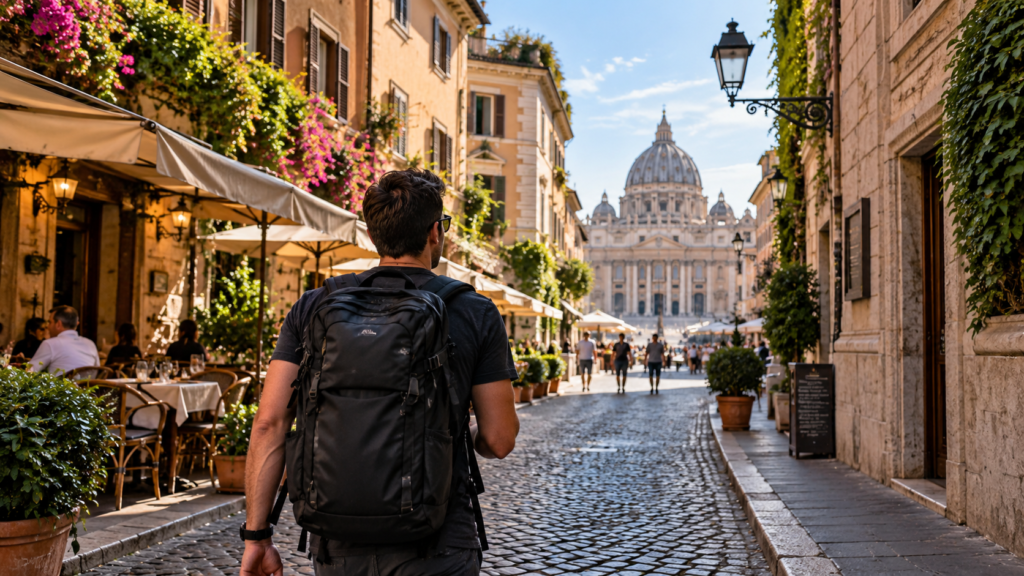
Learning how to plan your first solo trip can feel exciting and a little overwhelming at the same time. Where should you go? How much money will you need? Is it safe to travel alone? And what should you book before you leave?
The good news is that solo travel becomes much easier when you break the planning process into simple steps. In this guide, I’ll walk you through everything you need to plan your first solo adventure — from choosing the right destination and setting your budget to booking flights, finding accommodation, staying safe, and preparing for departure.
1. Choose the Right Destination for Your First Solo Trip
Choosing the right destination can make a huge difference to your first solo travel experience. Look for somewhere that is easy to get around, has good public transport, plenty of accommodation options, and generally feels comfortable for independent travellers.
For your first trip, you don’t necessarily need to travel to the other side of the world. A destination closer to home can be a great way to build your confidence before taking on longer or more challenging journeys.
Think about what you actually enjoy when choosing your destination. Do you prefer busy cities, beaches, history, food, nightlife, or nature? Your first solo trip will be much more enjoyable when you choose a place that genuinely interests you rather than simply following what is popular online.
2. Decide How Much You Can Spend
Your budget will shape almost every part of your trip, from where you go and how long you stay to the type of accommodation you choose. Before booking anything, work out roughly how much you can comfortably afford to spend on the entire trip.
Start with the main expenses: flights or transport, accommodation, food, local transport, activities, travel insurance, and some extra money for unexpected costs. You don’t need to plan every penny, but having a realistic daily budget makes it much easier to control your spending.
I also recommend keeping a small emergency fund separate from your normal travel budget. When you’re travelling alone, having some extra money available can be especially useful if your plans suddenly change.
3. Book Your Flight at the Right Time
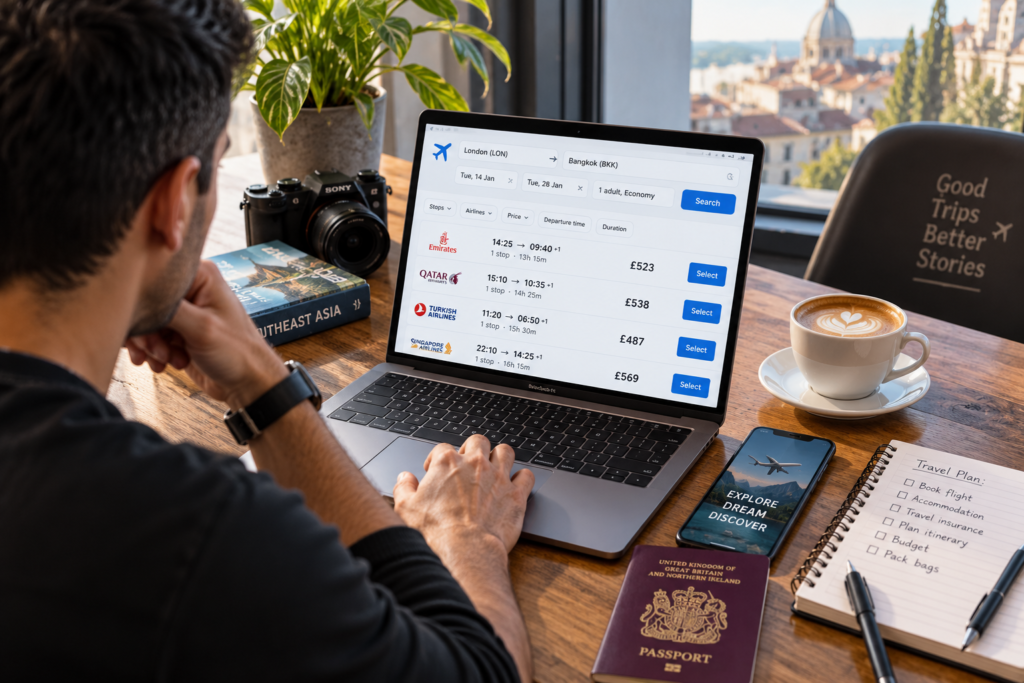
Flight prices can take up a big part of your travel budget, so it’s worth comparing your options before booking. Check different dates, nearby airports, and several airlines rather than automatically choosing the first flight you find.
Being flexible can save you a surprising amount of money. Flying midweek, travelling outside peak seasons, or changing your departure time can sometimes make the same journey much cheaper.
But don’t choose a flight based on price alone. Check baggage allowances, airport location, layover times, and any extra fees before booking. A very cheap ticket can quickly become expensive once those additional costs are included.
4. Choose the Right Accommodation
Where you stay can have a big impact on both your budget and your experience. Hotels are convenient, but hostels, guesthouses, apartments, and budget hotels can often give solo travellers better value.
Location matters too. A cheaper room far outside the centre may look like a good deal, but you could end up spending more time and money on transport. I usually look for somewhere affordable with good public transport nearby and easy access to the places I want to explore.
Before booking, check recent reviews, the neighbourhood, cancellation conditions, and what is included in the price. If you’re travelling solo, also pay attention to comments about safety and how easy it is to get back to the accommodation at night.
5. Plan How You’ll Get Around
Getting around is something worth planning before you arrive, especially when you’re travelling alone. Check how the public transport system works, how much it costs, and whether you can easily reach the main areas you want to explore.
In many cities, buses, trains, and metro systems are much cheaper than taxis. Walking is also one of my favourite ways to explore a destination because you often discover streets, markets, cafés, and local areas you might otherwise miss.
Download an offline map before your trip and check how you’ll get from the airport or station to your accommodation. Knowing your route in advance can save you money and make arriving in a new place much less stressful.
6. Pack Smart and Keep It Simple
Packing for a solo trip is easier when you keep things simple. Bring what you genuinely need and avoid filling your bag with things you might never use. Travelling lighter makes airports, public transport, and moving between accommodations much easier.
Start with the essentials: comfortable clothes and shoes, toiletries, chargers, any medication you need, and the important travel documents for your destination. I also recommend keeping copies of your passport, travel insurance, and bookings somewhere you can access online.
Leave a little extra space in your bag too. You may buy something during your trip, and carrying a lighter bag gives you more flexibility when travelling from place to place.
7. Stay Safe While Travelling Alone
Travelling alone is generally safe when you stay aware of your surroundings and make sensible decisions. Before your trip, research the areas you plan to visit, learn about common local scams, and check how you’ll get around—especially when arriving late at night.
Keep your valuables secure and avoid carrying all your cash and bank cards in one place. I also recommend sharing your itinerary or accommodation details with someone you trust and keeping important phone numbers and documents easily accessible.
Most importantly, trust your instincts. If a place, situation, or person makes you uncomfortable, leave. Solo travel gives you plenty of freedom, but you’re also responsible for making decisions that help keep you safe.
8. Plan a Flexible Itinerary
For your first solo trip, it’s useful to have a basic plan before you arrive, but you don’t need to schedule every hour of your trip. Choose the main places and experiences you don’t want to miss, then leave some free time to explore at your own pace.
One of the best things about travelling solo is having the freedom to change your plans. You might discover a neighbourhood you want to explore longer, meet other travellers, or simply decide you need a slower day.
I usually prefer having a general idea of what I want to see while keeping enough flexibility to enjoy unexpected experiences along the way. A good itinerary should guide your trip, not control it.
9. Get Travel Insurance
Travel insurance is one of those things you hope you’ll never need, but it can be extremely important when something goes wrong. A cancelled trip, lost luggage, or an unexpected medical problem can quickly become expensive when you’re away from home.
Before buying a policy, check exactly what it covers. Pay attention to medical expenses, cancellations, lost or stolen belongings, and any activities you plan to do during your trip.
Don’t automatically choose the cheapest policy. Compare the coverage and exclusions carefully and choose one that suits your destination and the type of trip you’re taking.
10. Prepare Your Money, Phone, and Important Documents
Before you leave, make sure you have easy access to everything you’ll need during the trip. Check that your passport is valid, confirm any visa or entry requirements, and keep your flight, accommodation, and insurance details somewhere easy to access.
Think about how you’ll pay for things as well. Carrying a small amount of local currency can be useful, but I also recommend travelling with more than one payment method. Keep a backup bank card separate from your main wallet in case your card is lost, stolen, or stops working.
Prepare your phone before departure too. Download useful travel apps, offline maps, and any tickets or booking confirmations you may need. Check your mobile data or eSIM options so you can get online when you arrive.
11. Give Yourself Time to Enjoy the Experience
Your first solo trip doesn’t need to be perfect. Things may not always go according to plan, and that’s part of travelling. Give yourself enough time to enjoy the destination instead of trying to see everything in a few days.
Travelling alone also means you can follow your own rhythm. Stop for a coffee, spend longer somewhere you enjoy, change your plans, or simply take some time to relax without worrying about what anyone else wants to do.
The first day might feel a little strange if you’ve never travelled alone before, but confidence usually grows as you start exploring. Enjoy the freedom, stay open to new experiences, and remember that your first solo trip is as much about the experience as the destination itself.
Final Thoughts on Planning Your First Solo Trip
Your first solo trip can feel like a big step, but good preparation makes the whole experience much easier. Choose a destination that suits you, set a realistic budget, plan the important details, and give yourself enough flexibility to enjoy the journey.
You don’t need to know everything before you leave. Part of solo travel is learning as you go, solving small problems, and becoming more confident with every new experience.
Once you take that first trip, travelling alone often feels much less intimidating. Start simple, travel at your own pace, and enjoy the freedom of discovering a new place on your own.
Planning more solo adventures? Explore my Solo Travel Guides for more practical tips, safety advice, and budget travel ideas.