
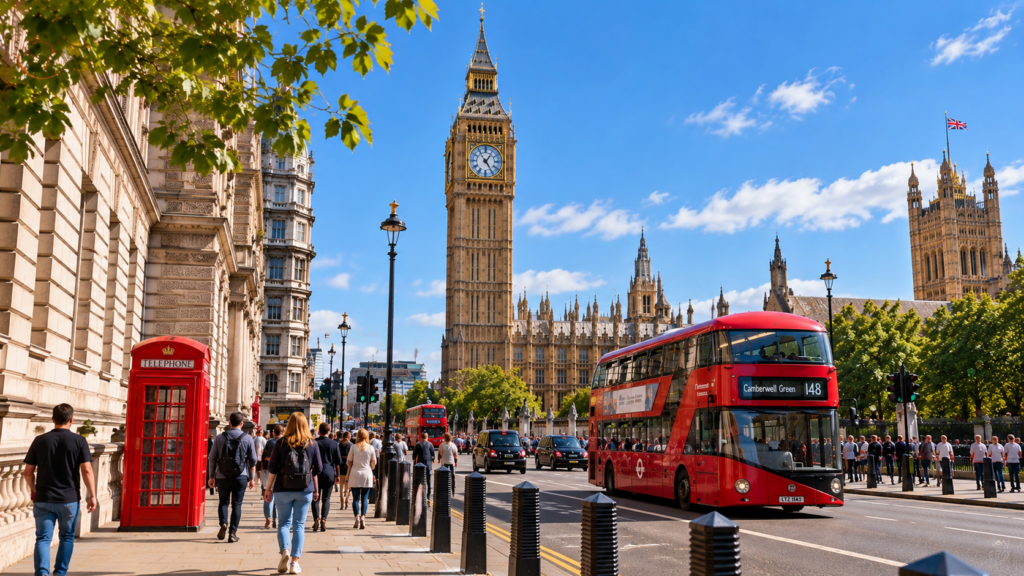
Looking for the top 10 places to visit in London? Having lived in London for many years, I’ve had plenty of opportunities to explore this incredible city, from its historic landmarks and beautiful parks to its lively markets and fascinating neighbourhoods. One of my favourite ways to experience London is simply by walking.
For this trip, I decided to visit 10 of London’s most famous attractions in one day, exploring the first nine on foot before taking the Underground to Camden Town for my final stop.
My journey took me from the iconic Big Ben and London Eye to the peaceful surroundings of St James’s Park, the royal atmosphere of Buckingham Palace, the lively streets of Covent Garden and the historic Tower Bridge.
Along the way, I experienced different sides of London, from its famous monuments and cultural attractions to its bustling markets and everyday street life.
In this guide, I’ll share the 10 places I visited, what makes each one special, and my personal experience of exploring London on foot. Whether you’re visiting London for the first time or looking for ideas for your next trip, this route could help you discover some of the city’s most memorable attractions.
For more information about attractions, events and things to do across the city, you can also explore the official Visit London website.
1. Big Ben – Starting My London Walking Tour
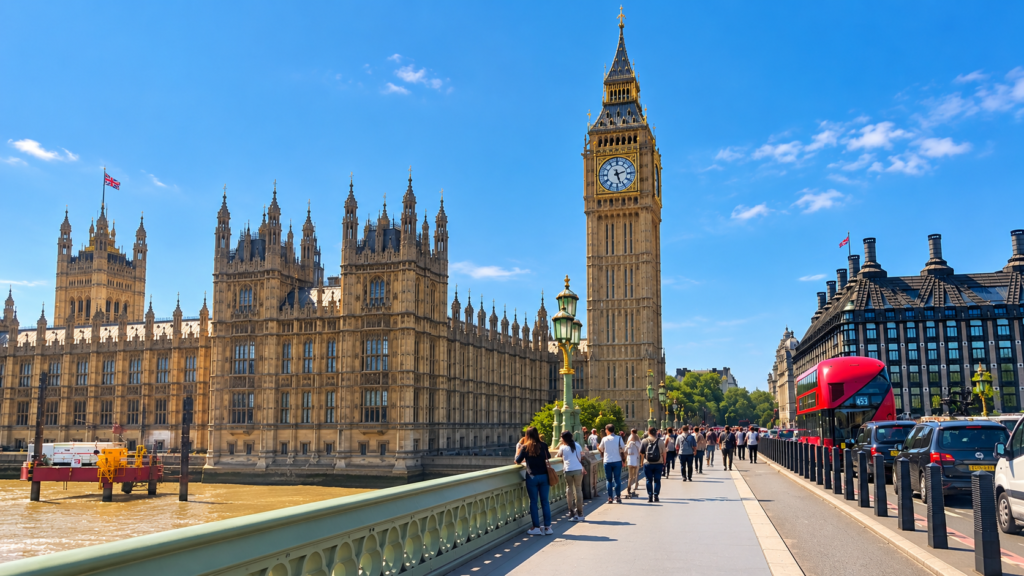
I started my London walking tour at one of the city’s most recognisable landmarks: Big Ben, located beside the Houses of Parliament in Westminster, close to the River Thames and Westminster Abbey.
This is one of the busiest tourist areas in London, and when I arrived, there were plenty of visitors taking photographs and enjoying the views. It’s easy to understand why Big Ben is such a popular attraction, especially for anyone visiting London for the first time.
One thing I always recommend is visiting early in the morning if you want to avoid the biggest crowds. It’s usually much quieter, making it easier to explore the area and take photographs.
During my visit, I also explored the surrounding streets to find some of the best photography spots. There are places where you can capture Big Ben alongside one of London’s famous red telephone boxes, creating a classic London photograph.
Another interesting landmark nearby is the statue of Winston Churchill in Parliament Square, directly opposite the Houses of Parliament. I particularly enjoy this part of Westminster because so many famous London landmarks are within a short walking distance of each other.
After spending some time exploring and taking photographs, I continued towards my next attraction: the London Eye.
My tip: Don’t rush through Westminster. Take time to explore Parliament Square and the surrounding streets, where you’ll find some fantastic views and photography opportunities.
2. London Eye – Beautiful Views Across the River Thames
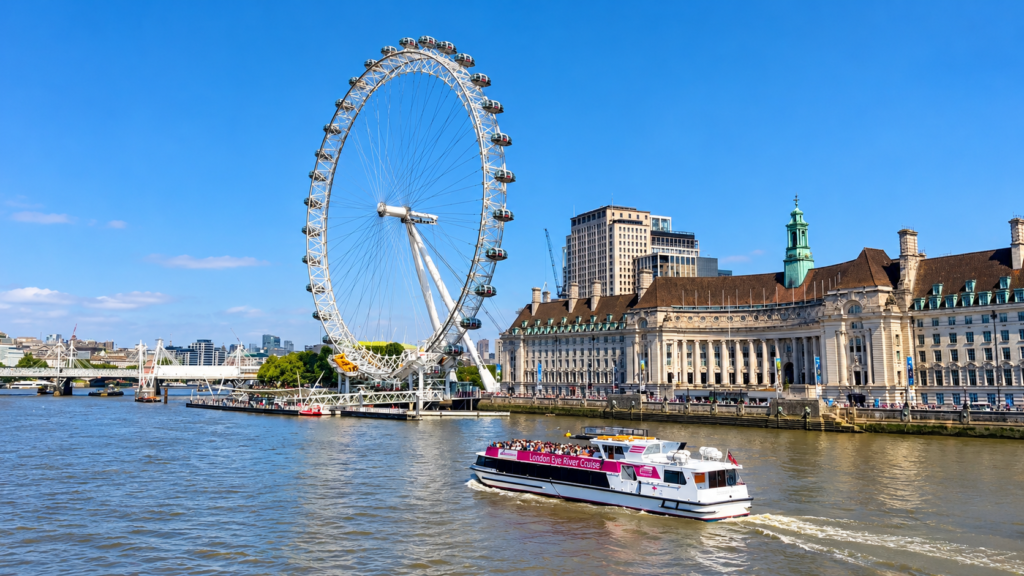
After exploring Big Ben and Westminster, I continued my walking tour towards the London Eye, one of London’s most famous attractions, located on the South Bank of the River Thames.
The London Eye is a giant observation wheel standing approximately 135 metres tall. Since opening in 2000, it has become one of the city’s most recognisable landmarks, attracting visitors from around the world.
One of the things I love about this area is the atmosphere. Walking along the River Thames, you can enjoy fantastic views of the Houses of Parliament, Big Ben and the London Eye itself. It’s also a wonderful place to experience London’s lively riverside atmosphere.
You don’t necessarily need to buy a ticket for the London Eye to enjoy this part of the city. The surrounding riverside walkway offers excellent photography opportunities, especially with the famous wheel and Westminster skyline in the background.
If you decide to take a ride, the observation capsules offer panoramic views across London, and on a clear day, you can see many of the city’s famous landmarks.
My tip: One of the best places to photograph the London Eye is from Westminster Bridge, where you can capture the wheel alongside the River Thames.
After enjoying the riverside scenery, I continued my walking tour towards St James’s Park, one of London’s most beautiful royal parks.
3. St James’s Park – A Peaceful Escape in Central London
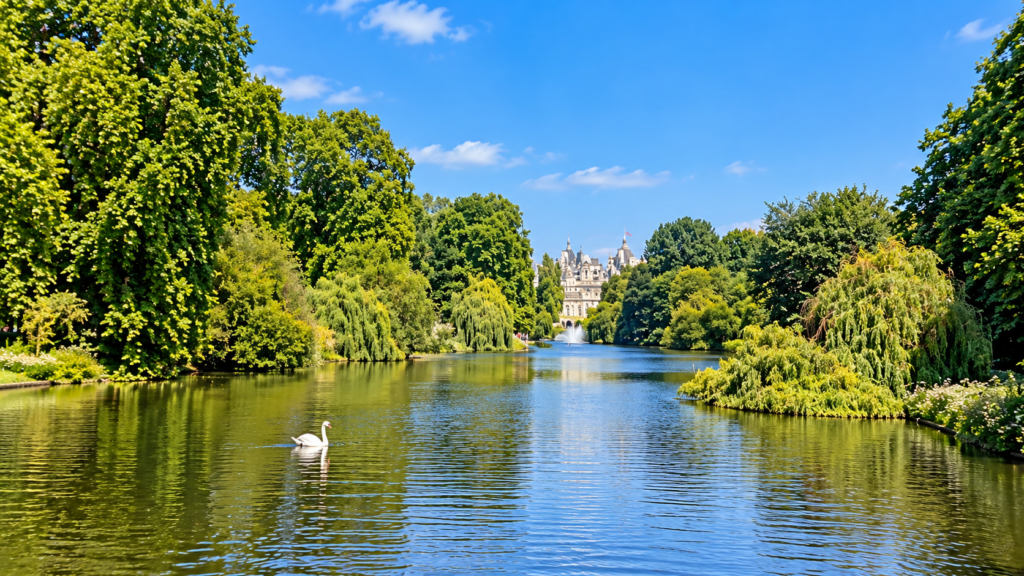
After visiting the London Eye, I continued my walking tour towards St James’s Park, one of London’s oldest and most beautiful Royal Parks, located just a short walk from Buckingham Palace.
One of the things I enjoy most about London is how quickly the atmosphere can change. One moment you’re surrounded by busy streets and famous landmarks, and a few minutes later you’re walking through a peaceful green space filled with trees, flowers and wildlife.
St James’s Park is a perfect example of this. As I walked through the park, I enjoyed the beautiful scenery, open lawns and views across the lake. It’s a lovely place to slow down, relax and take a break from sightseeing.
The park is particularly famous for its resident pelicans, which have been part of its history for centuries. You can also spot ducks, swans and squirrels around the lake and gardens.
One of the best photography locations is the bridge across the lake, where you can enjoy beautiful views towards Buckingham Palace in one direction and Horse Guards Parade in the other.
Another reason I recommend visiting St James’s Park is its convenient location. It’s free to enter and connects several major London attractions, making it an ideal stop on a walking tour.
My tip: If you’re exploring London on foot, take your time walking through St James’s Park rather than rushing straight to Buckingham Palace. It’s one of the nicest places in central London to enjoy a little peace and quiet.
After exploring the park, I continued towards Buckingham Palace, the next stop on my walking tour.
4. Buckingham Palace – The Heart of Royal London
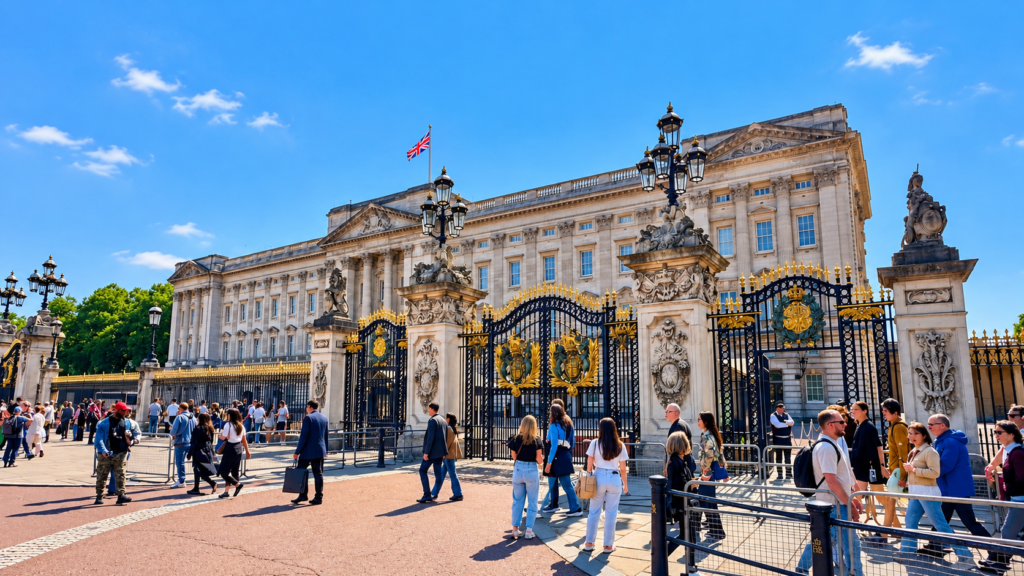
After enjoying the peaceful surroundings of St James’s Park, I continued walking towards Buckingham Palace, one of London’s most famous landmarks and the official London residence of the British monarch.
Buckingham Palace is an essential stop for anyone visiting London for the first time. As you approach the palace, you’ll notice its impressive architecture, the famous gates and the Victoria Memorial standing directly in front of the building.
One of the things I find interesting about this area is the contrast between the peaceful atmosphere of St James’s Park and the crowds of visitors gathering outside the palace. People from all over the world come here to take photographs and experience a little of Britain’s royal history.
Buckingham Palace has served as the official London residence of British monarchs since 1837, when Queen Victoria moved there. Today, it remains an important location for royal ceremonies, official events and national celebrations.
One of the most popular attractions is the Changing of the Guard, a traditional ceremony involving soldiers in their distinctive red uniforms and bearskin hats. It’s a fascinating experience if you happen to visit when the ceremony is taking place.
You can admire the palace and take photographs from outside without paying an entrance fee. During selected periods of the year, parts of the palace, including the State Rooms, are also open to visitors with tickets.
My tip: If you want to watch the Changing of the Guard, check the official schedule before visiting, as the ceremony doesn’t take place every day and can be affected by weather or special events.
After spending some time outside Buckingham Palace, I continued my walking tour towards Trafalgar Square, another famous landmark in the heart of London.
5. Trafalgar Square – One of London’s Most Famous Squares
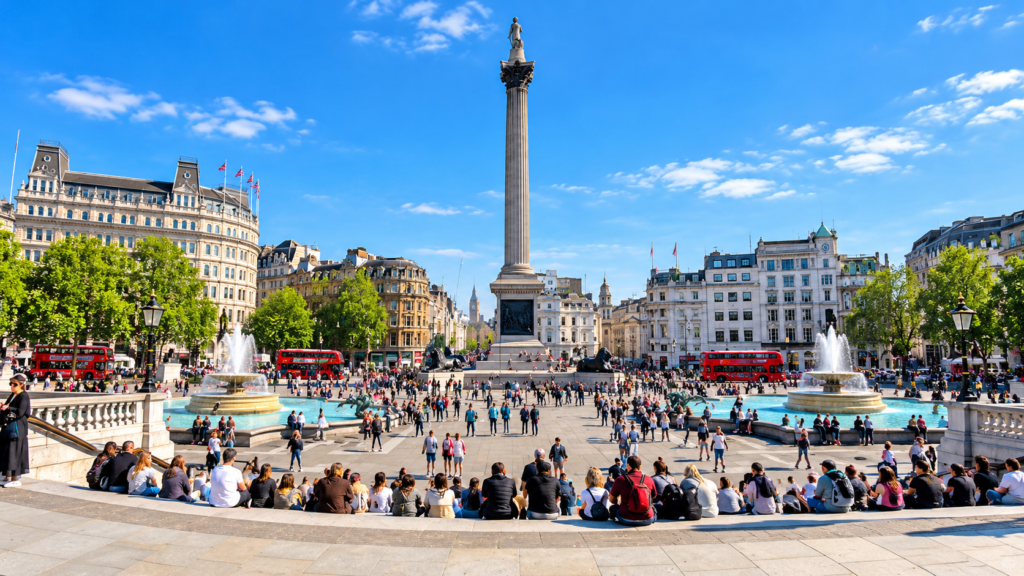
After visiting Buckingham Palace, I continued my walking tour towards Trafalgar Square, passing through the heart of central London.
Trafalgar Square is one of the city’s most recognisable public spaces, surrounded by historic buildings, impressive architecture and busy streets. It’s a place where tourists and Londoners come together, making it an interesting stop for anyone who wants to experience the atmosphere of the capital.
The square is named after the Battle of Trafalgar in 1805, when the British Royal Navy, led by Admiral Horatio Nelson, defeated the combined French and Spanish fleets.
Standing in the centre of the square is Nelson’s Column, an impressive monument approximately 52 metres tall, topped by a statue of Admiral Nelson. At its base, you’ll find four large bronze lions, which have become popular photography spots for visitors.
Another highlight is the National Gallery, located on the northern side of the square. It’s home to an extraordinary collection of European paintings, including works by artists such as Leonardo da Vinci, Vincent van Gogh and Claude Monet.
One thing I particularly enjoy about Trafalgar Square is its lively atmosphere. Depending on when you visit, you might come across street performers, cultural celebrations or public events. Even on an ordinary day, there’s usually plenty happening around the square.
Trafalgar Square is also conveniently located near several other popular attractions, including Leicester Square, the West End and Covent Garden.
My tip: If you enjoy art, consider visiting the National Gallery while you’re here. Entry to its permanent collection is free, although some temporary exhibitions require tickets.
After exploring Trafalgar Square, I continued walking towards Covent Garden, one of my favourite areas of central London for its atmosphere, shops and street entertainment.
6. Covent Garden – Street Performers, Shopping and London’s Lively Atmosphere
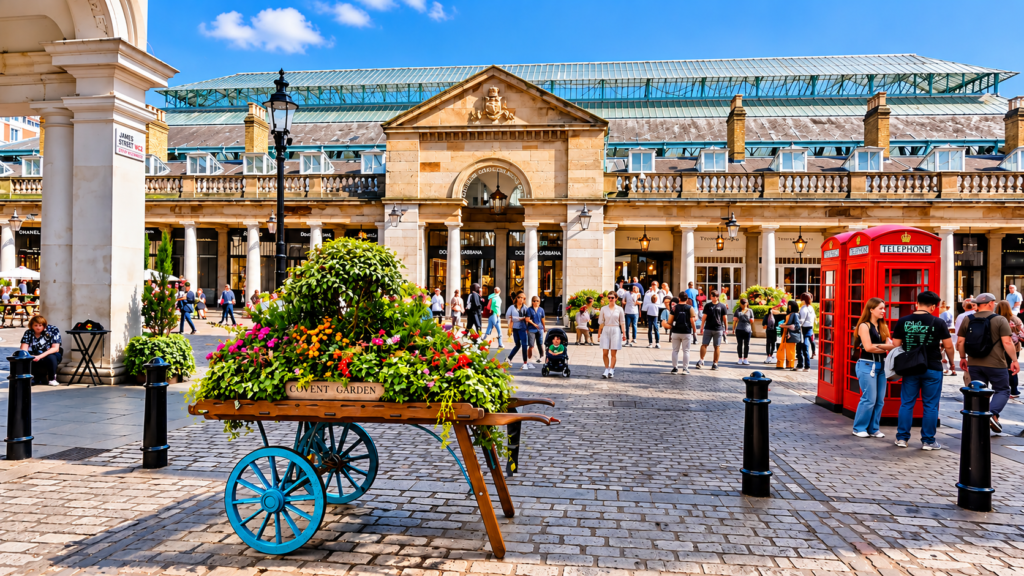
After exploring Trafalgar Square, I continued my walking tour towards Covent Garden, one of London’s most popular areas for shopping, entertainment and sightseeing.
Covent Garden is a place I always enjoy visiting because of its unique atmosphere. Unlike some of London’s historic landmarks, this area feels especially lively, with street performers, restaurants, cafés and visitors exploring its beautiful streets.
At the heart of the neighbourhood is Covent Garden Piazza, surrounded by historic buildings and the famous Market Building. The market dates back centuries, although today it’s known for its independent shops, handmade crafts, souvenirs and food stalls.
One of the biggest attractions here is the street entertainment. You can often see talented musicians, singers, magicians and other performers entertaining crowds around the piazza. It’s one of those places where you can stop for a few minutes and unexpectedly spend much longer enjoying the atmosphere.
The surrounding streets are also worth exploring. You’ll find a mixture of well-known brands, small boutiques, traditional pubs and interesting places to eat. Nearby Neal’s Yard is particularly colourful and has become a popular photography spot.
Another reason Covent Garden is worth visiting is its location in London’s West End, close to many famous theatres and entertainment venues.
You don’t need to spend money to enjoy Covent Garden. Simply walking around the piazza, watching the performers and exploring the nearby streets is an experience in itself.
My tip: Visit Covent Garden in the afternoon when the area is usually full of life. Take some time to explore the smaller streets around the main piazza, not just the market itself.
After enjoying the atmosphere of Covent Garden, I continued my walking tour towards the British Museum, one of London’s most fascinating cultural attractions.
7. British Museum – Discovering Thousands of Years of History
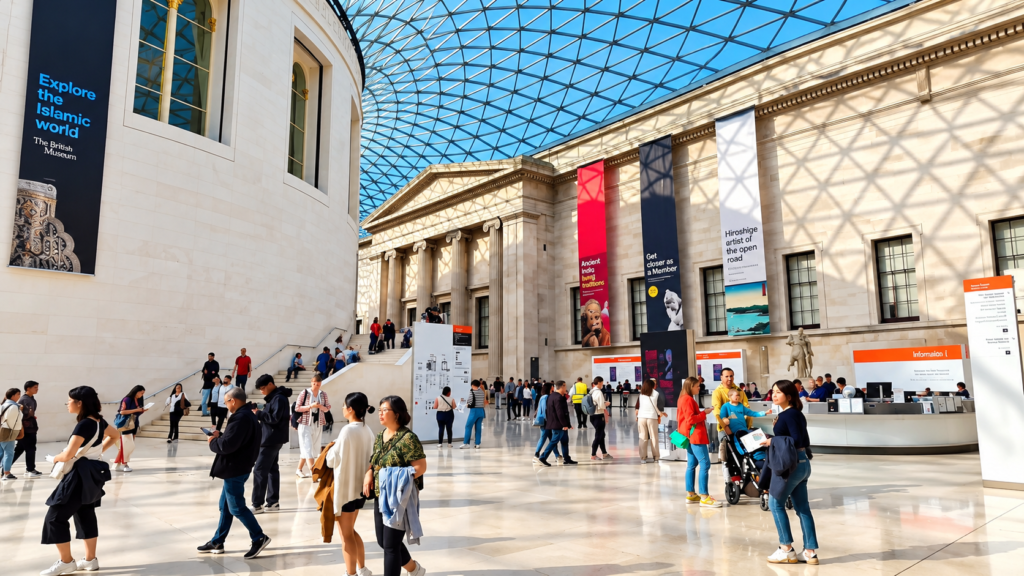
After exploring the lively streets of Covent Garden, I continued walking towards the British Museum, one of London’s most famous museums and a fantastic place to visit if you’re interested in history, art and ancient civilisations.
Located in Bloomsbury, the British Museum is home to an extraordinary collection of objects from different cultures and periods of human history. What makes it particularly special is the opportunity to explore thousands of years of history in one place.
As you approach the museum, its impressive Greek Revival architecture immediately catches your attention. Inside, one of the most striking spaces is the Great Court, a huge covered courtyard with a beautiful glass roof surrounding the historic Reading Room.
Among the museum’s most famous exhibits is the Rosetta Stone, which played an important role in helping scholars decipher ancient Egyptian hieroglyphs. You can also explore galleries featuring Egyptian mummies, Assyrian sculptures, Greek antiquities and objects from many other parts of the world.
One of the best things about the British Museum is that general admission to the permanent collection is free, although some special exhibitions require paid tickets.
It’s worth remembering that the museum is enormous. You could easily spend several hours exploring its galleries, so if you’re following a busy one-day London itinerary like mine, I’d recommend choosing a few exhibits that interest you most rather than trying to see everything.
My tip: Check the museum’s official website for opening times and free ticket reservations before visiting. If you have limited time, prioritise the Great Court, Rosetta Stone and Egyptian galleries.
After visiting the British Museum, I continued my London adventure towards Borough Market, where I could experience a completely different side of the city through its food and market atmosphere.
8. Borough Market – Exploring London’s Famous Food Market
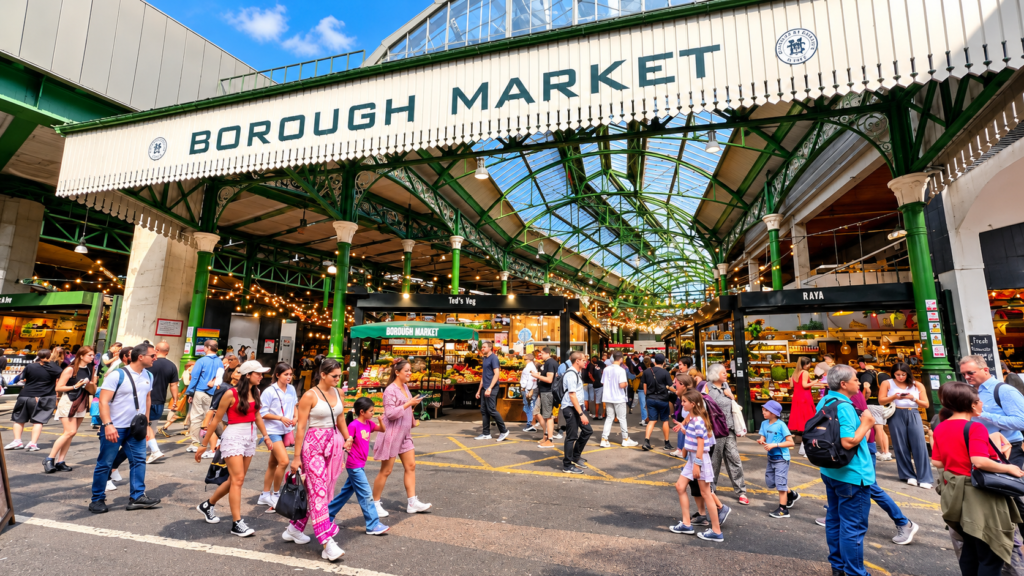
After visiting the British Museum, I continued my walking tour towards Borough Market, one of London’s oldest and most popular food markets, located near London Bridge on the south side of the River Thames.
One of the things I enjoy most about exploring London is discovering how different each neighbourhood feels. After spending time surrounded by ancient history at the British Museum, Borough Market offered a completely different atmosphere, filled with food stalls, busy walkways and the wonderful smells of freshly prepared dishes.
Borough Market has a history stretching back hundreds of years and has become one of the best places in London to discover British produce and international cuisine.
As you walk through the market, you’ll find everything from freshly baked bread, cheese and pastries to sandwiches, seafood, desserts and street food from around the world. It’s a fantastic place for food lovers, especially if you enjoy trying something different while travelling.
The atmosphere is part of the experience. Traders prepare food, visitors explore the stalls, and people gather to enjoy their meals. Even if you’re not particularly hungry, it’s worth visiting just to experience the energy of the market.
One thing to remember is that Borough Market can get extremely busy, particularly around lunchtime and at weekends. If you prefer a more relaxed visit, arriving earlier in the day is usually a better option.
My tip: If you’re following this London walking route, Borough Market is a great place to stop for something to eat before continuing towards Tower Bridge. Check the market’s opening days and hours before visiting, as not every trader operates at the same times.
After exploring Borough Market, I continued walking towards Tower Bridge, one of London’s most photographed landmarks and the ninth stop on my journey.
9. Tower Bridge – One of London’s Most Iconic Landmarks
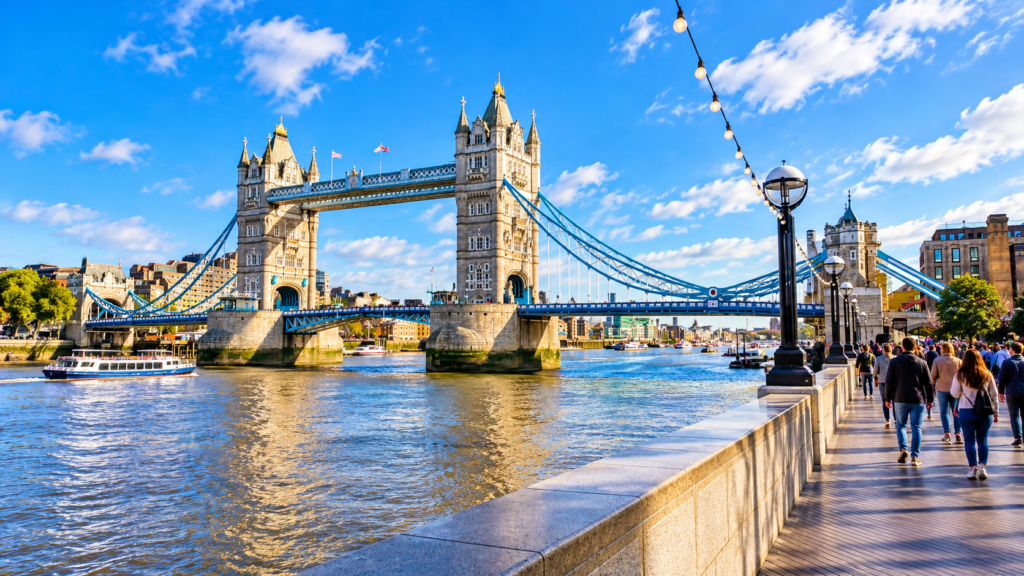
After exploring Borough Market, I continued walking along the River Thames towards Tower Bridge, one of London’s most famous landmarks and one of my favourite places to enjoy the city’s historic riverside scenery.
Opened in 1894, Tower Bridge is known for its two magnificent towers, Victorian Gothic architecture and distinctive blue suspension elements. It’s one of the most photographed bridges in the world and a must-see attraction for anyone visiting London.
One interesting fact is that Tower Bridge is often confused with London Bridge, but they’re actually two different bridges. Tower Bridge is the famous one with the two towers, while London Bridge is located further west along the river.
What makes Tower Bridge particularly fascinating is its unique design. The central sections of the bridge can lift to allow tall vessels to pass through, a feature that has been part of its operation since the nineteenth century.
You can walk across Tower Bridge for free, enjoying beautiful views of the River Thames, the Tower of London and the surrounding skyline.
For those interested in exploring further, the Tower Bridge Exhibition offers access to the upper walkways, including glass floors where you can look down at the road and river below. You can also visit the historic Victorian engine rooms. This experience requires a ticket.
The surrounding area is just as interesting as the bridge itself. Walking along the riverside provides fantastic photography opportunities, especially with the bridge in the background.
My tip: For some of the best photographs, explore the riverside near City Hall and Potters Fields Park. From here, you can capture Tower Bridge with the River Thames in the foreground.
After visiting Tower Bridge, I had completed the walking section of my London adventure. For my final destination, I took the London Underground to Camden Town, one of the city’s most colourful and alternative neighbourhoods.
10. Camden Town – Exploring London’s Alternative Side
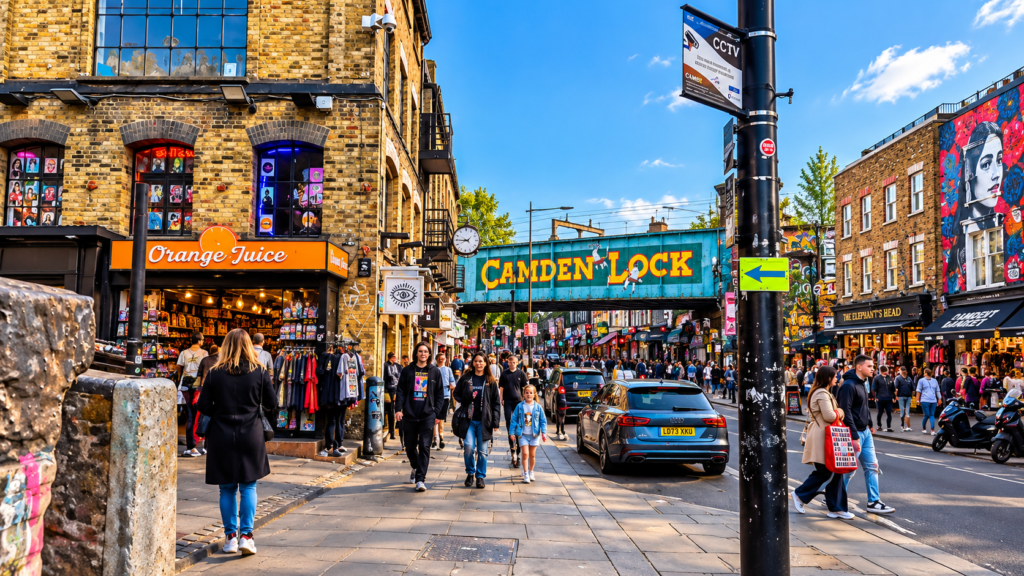
After visiting Tower Bridge, I had completed the walking part of my London tour. For my final stop, I took the London Underground to Camden Town, one of the city’s most colourful, creative and energetic neighbourhoods.
Camden Town is quite different from the historic landmarks and elegant streets of central London. It’s famous for its alternative culture, vibrant markets, street art, live music venues and unusual shops.
One of the first things you’ll notice when walking along Camden High Street is the colourful shopfronts, many decorated with giant three-dimensional sculptures of shoes, dragons and other eye-catching designs. These distinctive buildings give Camden its unique character.
The main attraction is Camden Market, a collection of market areas filled with independent shops, vintage clothing, handmade accessories, souvenirs and food stalls offering dishes from around the world.
One of my favourite things about Camden is its lively atmosphere. There’s always something interesting to see, whether it’s the unusual shops, street performers or people from different backgrounds enjoying the neighbourhood.
Another beautiful part of the area is Camden Lock, located beside Regent’s Canal. It’s a lovely place to walk along the water, watch the narrowboats and enjoy a different side of London away from the city’s traditional tourist landmarks.
Camden also has a strong connection to London’s music history. The neighbourhood has long been associated with alternative music, famous venues and artists, including Amy Winehouse, who lived in the area.
You don’t need to spend money to enjoy Camden Town. Exploring the markets, admiring the shopfronts and walking beside the canal are all free activities.
My tip: If you enjoy street food, leave some room for a meal at Camden Market. It’s also worth exploring the smaller market passages rather than staying only on the busy main street.
Camden Town was the perfect place to finish my one-day London adventure. From historic landmarks and royal parks to food markets and alternative neighbourhoods, this journey showed just how much variety London has to offer.
Practical Tips for Visiting the Top 10 Places in London in One Day
If you’re planning to visit these 10 London attractions in one day, here are a few useful tips based on my experience exploring the city.
1. Start Your Day Early
London has so much to see, so I recommend starting your sightseeing in the morning. Popular attractions such as Big Ben, Buckingham Palace and Tower Bridge can get particularly busy later in the day.
2. Wear Comfortable Walking Shoes
I explored the first nine attractions on foot, so comfortable shoes are essential. Walking is one of the best ways to discover London’s hidden streets, historic buildings and everyday atmosphere.
3. Use Public Transport When Needed
Although most of my journey was on foot, I took the London Underground to Camden Town for my final stop.
You can use a contactless bank card, phone or Oyster card to travel on London’s Underground and buses. There’s no need to buy a separate ticket for every journey.
For the latest Underground routes, fares and journey planning, check the official Transport for London website before travelling.
4. You Don’t Need a Big Budget
One of the best things about London is that many famous attractions are free to enjoy.
You can explore St James’s Park, admire Buckingham Palace, walk across Tower Bridge, visit the British Museum’s permanent collection and explore Camden Market without paying an entrance fee.
However, activities such as riding the London Eye or visiting the Tower Bridge Exhibition require tickets.
5. Allow Enough Time
Visiting all 10 attractions in one day is possible, but it’s a busy itinerary, especially if you want to explore the museums, markets and surrounding neighbourhoods properly.
If you prefer a more relaxed experience, consider splitting the route across two days.
If you’re planning your first adventure alone, take a look at my guide on how to plan your first solo trip for more practical travel advice.
6. Check the Weather
London’s weather can be unpredictable, so it’s worth checking the forecast before heading out. A lightweight waterproof jacket and comfortable shoes can make a big difference, particularly if you’re planning to spend most of the day walking.
Final Thoughts – Visiting the Top 10 Places in London in One Day
London is a city with so much to discover, and even after living here for many years, I still enjoy exploring its streets, historic landmarks and different neighbourhoods.
Visiting these 10 attractions in one day was a great way to experience some of the city’s most famous sights, from Big Ben and Buckingham Palace to the lively atmosphere of Borough Market and Camden Town.
I completed the first nine stops on foot before taking the Underground to Camden Town. It was a long day with plenty of walking, but it also reminded me that exploring London doesn’t always have to be expensive. Many of its most memorable attractions can be enjoyed for free.
Of course, if you’re visiting London for the first time, I’d recommend allowing at least two or three days to explore these places at a more relaxed pace, especially if you want to visit museums, enjoy the local food or spend more time in each neighbourhood.
For me, the best way to discover London is to walk, explore the smaller streets and enjoy the atmosphere along the way.
Want to see what this journey actually looks like? Watch my London walking tour on my YouTube channel, Time For Travel, where I take you along to all 10 attractions.
Whether it’s your first visit or you’re returning to London, I hope this guide helps you plan your own adventure and discover what makes this city so special.
Watch My London Walking Tour on YouTube 🎥
Want to experience these 10 London attractions with me?
In my YouTube travel vlog, I take you through the streets of London, exploring famous landmarks, beautiful parks, lively markets and some of the city’s most interesting neighbourhoods.
From Big Ben and Buckingham Palace to Tower Bridge and Camden Town, you’ll get to see the real atmosphere of London and what it’s like to explore the city in one day.
Watch my London travel vlog below and join me on the journey!